
Muslim Wedding and Nikah Photography in New York and New Jersey
Photo and video for Muslim weddings in NY and NJ, including Pakistani, Bangladeshi and Indian families: Dholki, Mehndi, Baraat, Nikah, Rukhsati and Walima.
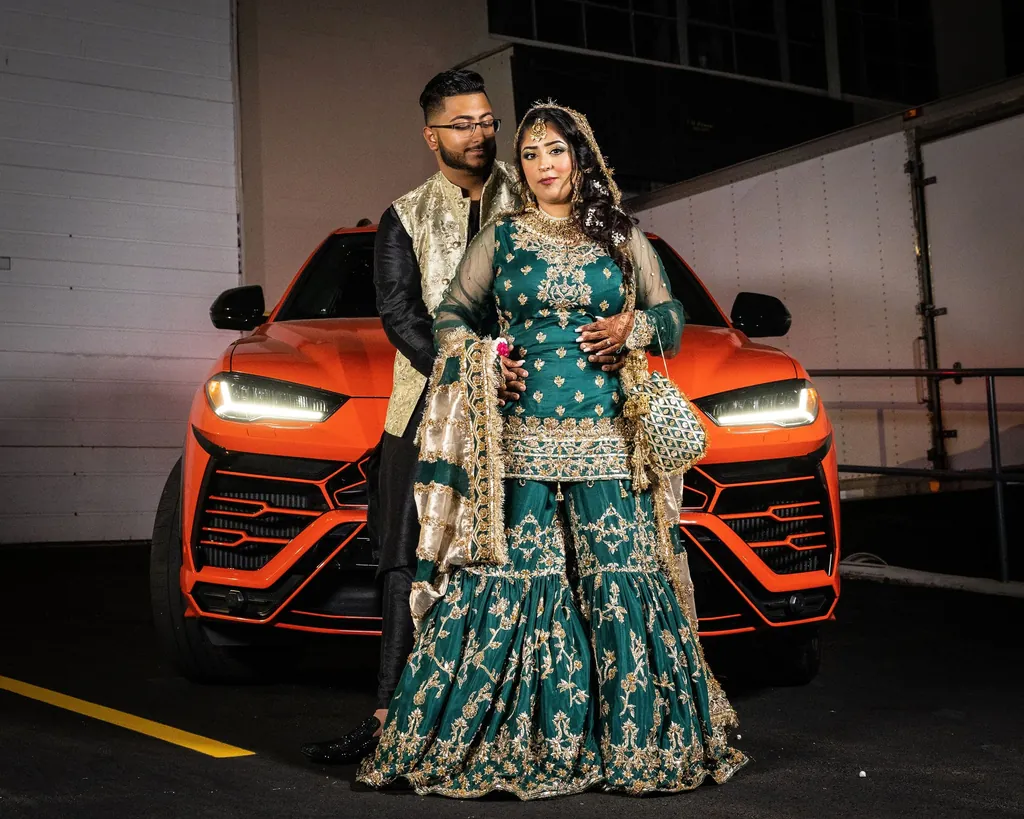
A Muslim wedding can be a single Nikah in a mosque or a week of family events leading up to a Walima for hundreds of guests. Verma Photography provides Muslim wedding and Nikah photography and videography across New York and New Jersey, for Pakistani, Bangladeshi, Indian and other Muslim families. We are based in New York, with full-time photographers, videographers and editors who plan around your customs and your family’s comfort.
What Muslim wedding coverage looks like
Every family celebrates differently, so we start by asking which events you are holding and what each one means to you. Common events include:
Dholki
evenings of singing and the dholak at home in the weeks before the wedding.Mayun or Ubtan
the bride, dressed in yellow, has turmeric paste applied by close family.Mehndi
henna, music, dancing and often a friendly rivalry between the two families.Baraat
the groom’s arrival with his family.Nikah
the marriage contract, led by an imam, with the Ijab and Qubool, the agreed mahr and the signing of the Nikah nama.Rukhsati
the bride’s farewell from her family home, often under the Quran held above her head.Walima
the reception hosted by the groom’s family after the Nikah.
Bangladeshi families often hold a Gaye Holud before the wedding, and many couples add an American-style reception with a first dance and toasts.
The Nikah: what we make sure to capture
The Nikah is short and serious. We photograph the imam’s words, the consent given by the bride and groom, the signing of the Nikah nama, the witnesses and the duas that follow. Where the bride and groom are seated apart for the contract, we cover both sides so neither moment is lost. We then photograph the first moments together afterwards, which are often among the most emotional pictures of the day.
Respecting mosques, modesty and family wishes
Mosque etiquette
We remove shoes where required, dress modestly, cover our heads where asked, and do not photograph during prayer.Separate seating
Many families seat men and women separately, or hold women-only events. Tell us your arrangements early and we will plan coverage and discuss what is possible for women-only parts of the day.Photos of guests
Some guests prefer not to be photographed, and some brides prefer certain portraits stay private. We note those wishes and follow them.
What you receive
Edited digital photos
of each event you book.Films
if you add video, from a highlight film to the full Nikah and speeches. See our wedding videography for South Asian couples.Albums and canvas prints
for you and your parents.Drone footage
of outdoor venues where airspace and the venue allow.
Packages can be customized with extra hours, events, albums and prints.
How planning works
- 01
Tell us your events,
dates, venues and guest counts. - 02
We build a coverage plan,
including any separate or women-only events. - 03
Before the wedding
we confirm the Nikah location and any mosque rules, the timing of the Rukhsati and your family portrait list. - 04
On the day
we arrive early and coordinate with your imam, planner and DJ. - 05
Editing and delivery
by our in-house team, as agreed in your package.
Why a team that understands the customs matters
At a Muslim wedding, knowing what is about to happen is only half of it. Knowing what should not be photographed, where to stand in a mosque and how to give an elder space during the duas matters just as much. Families notice when a photographer is respectful, and they relax. Couples who review us often describe our team as friendly and professional, with attention to detail across every event.
Events hosted by two families
At many Pakistani and Bangladeshi weddings, the bride’s family hosts the Mehndi and the Nikah or Baraat, and the groom’s family hosts the Walima. Each side may have its own venue, guest list and planner. We plan each event with the family hosting it, and keep the photography consistent across all of them so your gallery reads as one wedding.
For large events, a family portrait list makes a big difference. Walima stages often see a long line of relatives waiting to greet the couple, and knowing which groups matter most lets us photograph them without holding up the evening. If parts of an event are for women only, tell us during planning so we can arrange coverage that suits your family.
Where we photograph Muslim weddings
We cover Queens, Brooklyn and the rest of New York City, all of Long Island, and every part of New Jersey, including Jersey City. For other South Asian traditions, see South Asian wedding photography. We also travel for destination weddings. Tell us about your Nikah.
A Nikah at a mosque or at a banquet hall
Both are common, and they need different plans from us.
At a mosque
Quieter and more formal, with the mosque’s own rules on photography, dress and seating.
- Rules confirmed with the mosque before the day
- Shoes off and heads covered for our team
- No photography during prayer
- Positions agreed with the imam in advance
At a banquet hall
Often held on stage before the reception, with more room to move and a larger crowd.
- Stage lighting balanced for faces
- More guests close to the couple during the signing
- Time between the Nikah and the reception for portraits
- Both sides covered if the bride and groom are seated apart
The small rituals families ask us not to miss
Customs vary from family to family. These are the ones we are often asked about.
Mehndi thaals
Trays of henna decorated with candles and flowers, carried in by the bride’s friends and cousins. We photograph the entrance and the trays up close before the candles burn down.
Doodh Pilai
The bride’s sisters offer the groom a glass of milk and ask for a gift in return. It is short, funny and easy to miss.
Joota Chupai
The bride’s side hides the groom’s shoes and bargains for their return. We keep an eye on the shoes from the moment he takes them off.
Aarsi Mushaf
The couple see each other in a mirror, often under a dupatta with a Quran nearby. We need to be close, quiet and ready.
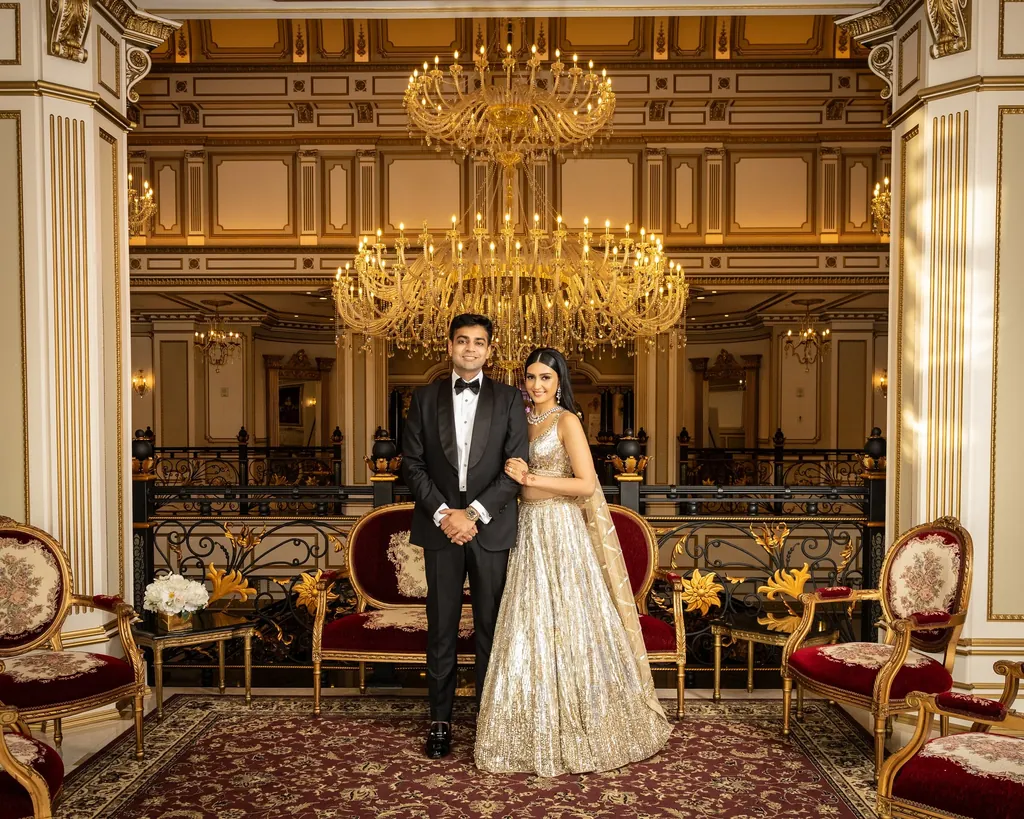
A Walima under the chandeliers
Often the largest room of the whole wedding. We light it for faces, not only for the decor.
What to tell us before the Nikah
A few details that help us plan the most serious part of the day.
- Where the Nikah will take place, and which room or stage
- Your imam’s name and a way to reach him
- Whether the bride and groom will be in the same room for the contract
- Names of the wakeel and witnesses, so each signature is photographed
- Who will hold the Quran at the Rukhsati
- Prayer times that fall during your events
- Any women-only parts of the day
- Guests who prefer not to be photographed
- Portraits you want kept private
- Whether the mahr will be presented, and if it should be photographed
What Couples Say About Working With Jay’s Team
In their own words on Google: four-day weddings, Diwali parties, anniversaries and more.

A Virk
From start to finish, Jay and his entire team made our wedding experience effortless, joyful, and incredibly special. We had a four-day wedding celebration with a mix of Indian and American events, and somehow they captured everything, every emotion, every ritual, every candid moment, without ever feeling intrusive or stressful. Jay is not only an insanely talented photographer, but also a calm, organized, and reassuring presence. His team kept everything running smoothly, helped guide us when needed, and truly understood the flow and importance of both cultures. From Punjabi ceremonies to the American wedding events, they knew exactly what moments mattered and how to document them beautifully. What stood out most was how easy they made the entire process. During a long, multi-day wedding, that peace of mind is priceless. If you are looking for a photography team that is professional, culturally fluent, incredibly hardworking, and genuinely invested in your experience, I cannot recommend Verma Photography enough. We would choose them again in a heartbeat and recommend them to anyone and everyone.

Naresh Kumar
We recently had the pleasure of booking Verma Photography for our anniversary, and we couldn't be happier with the results! From start to finish, the team was professional, friendly, and attentive to every detail. They captured every moment beautifully, from the candid smiles to the emotional vows, with a perfect mix of traditional and creative angles. We highly recommend Verma Photography & Videography for anyone looking to capture their wedding day in a truly stunning way and look forward to working with them again soon!

Rahual Kumar
I recently booked Verma photography for my brother's wedding. Jay and his team were beyond amazing and so easy to work with. They were very professional and the photos/videos were delivered on time with such great attention to detail. Would recommend Jay and his team to anyone for top quality service
Saajan Shah
When you work with Verma Photography, you don't just get amazing photos and videos to remember your events by. You also have a lot of fun and feel valued as a client. We hired Verma Photography for our destination wedding and we had a wonderful time working with them. They all were kind and professional, they kept us smiling and laughing throughout the whole weekend, they were respectful of our time and our schedule, and they interacted very well with our guests and vendors. They understand that it isn't just about the photos and videos, but also being able to read the clients' needs, energy, comfort level, and vision. Leading up to our wedding, they took the time to understand what our vision was. They showed great enthusiasm and professionalism from start to finish. They were always prepared and on time, and they handled challenges very well. The entire Verma Photography team works really hard while striving to give the best results. We enjoyed working with them, we loved the photos and videos they delivered, and we know we'll be looking to hire them again in the future. The entire experience that we had working with Verma Photography exceeded our expectations and we highly recommend them for any of your photo and video needs!
Frequently asked questions
Still have a question? Ask us directly.
Check your date with us
Tell us your dates, events and venues, and we will come back with availability and coverage built around your celebration.