
Skip to content
Verma Photography
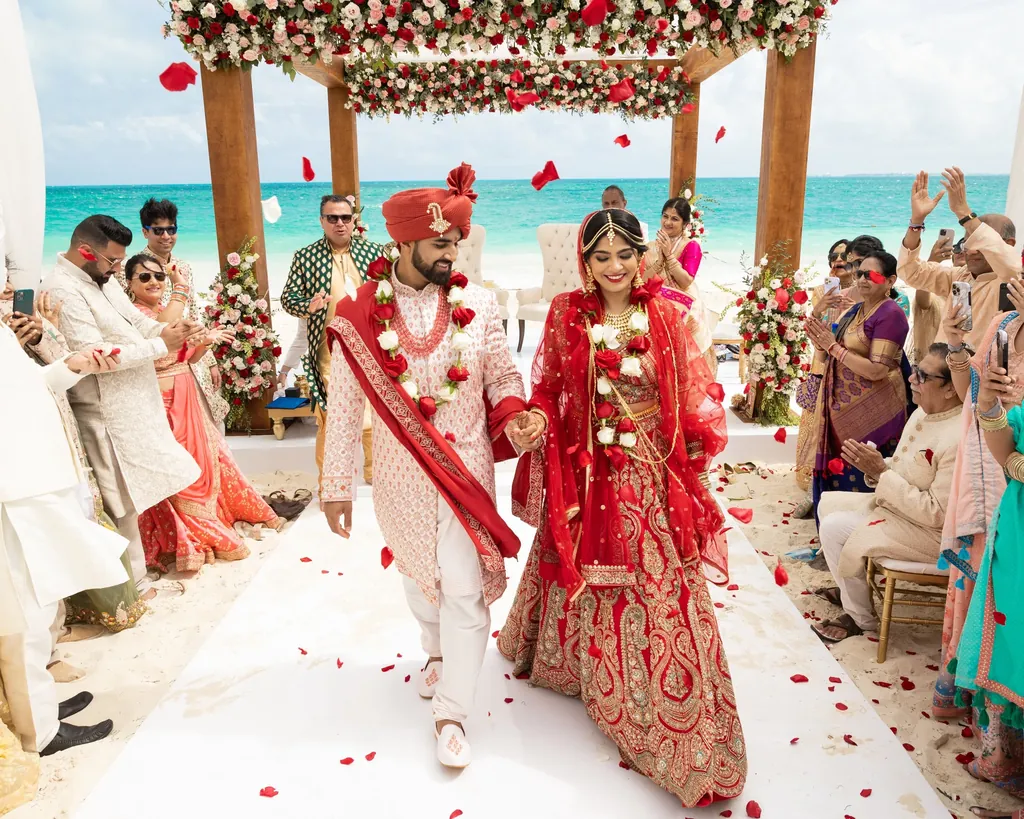
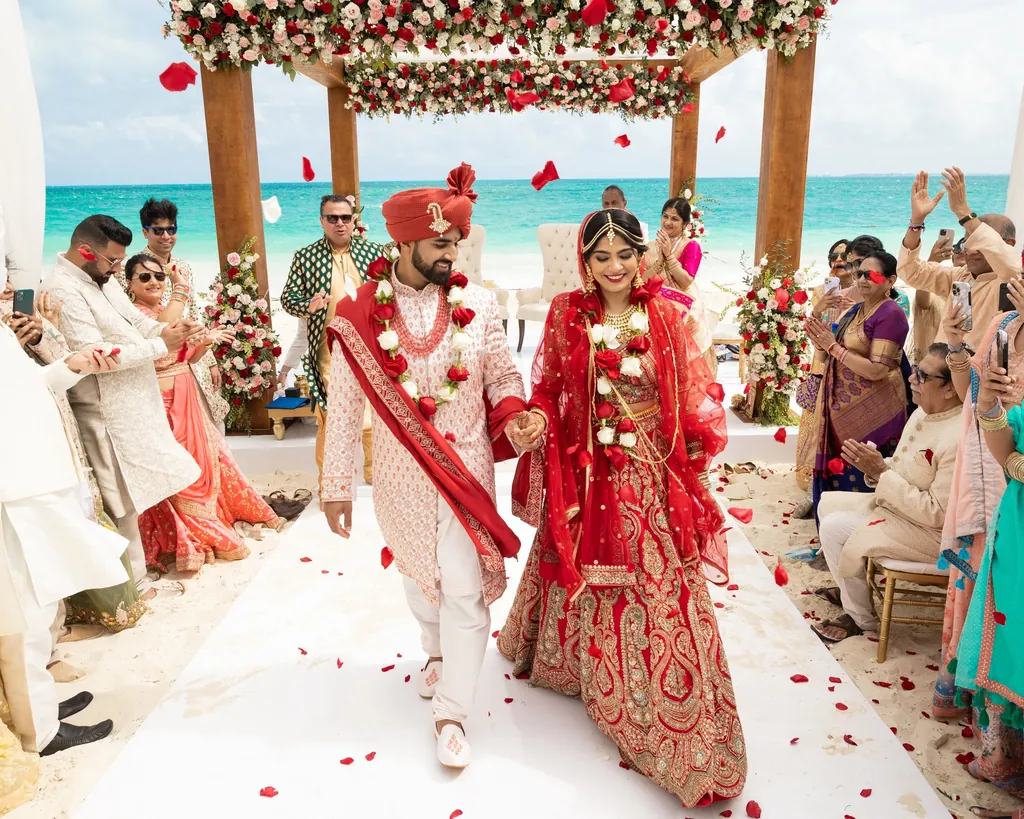
Bride and groom walking out of a beach mandap through a shower of petals

Indian Wedding Videography in New York and New Jersey

Wedding films for Indian and South Asian couples: a highlight film, longer ceremony edits and the sound of your dhol, mantras and speeches, across NY and NJ.

An Indian wedding is loud, moving and full of sound: the dhol at the Baraat, the mantras at the mandap, your father’s speech, your cousins’ Sangeet routine. Photos keep the faces. A film keeps the voices and the music. Verma Photography offers Indian wedding videography across New York and New Jersey, with full-time videographers and editors who work alongside our photographers as one team.

What our Indian wedding films cover

We film the events you choose, and most families choose more than one. A typical multi-day wedding might include a Mehndi or Haldi, a Sangeet night, the wedding day itself with the Baraat and ceremony, and a reception. Each event gets a plan: where the action happens, where the sound comes from, and which moments cannot be missed.

  • The Sangeet

    is a performance, so we plan positions for the stage, the families watching and the dance floor afterwards.
  • The Baraat

    moves. We follow the groom, the dhol and the dancing, and are waiting at the entrance for the arrival and the Milni.
  • The ceremony

    is quiet and close. We set up early, keep equipment compact, and record clean audio of the mantras where the priest and venue allow.
  • The reception

    has its own rhythm: entrances, first dance, speeches and toasts, and the dance floor.

How we film a multi-day wedding

Sound matters as much as picture

Speeches, vows and family performances are often the parts couples watch most. We plan audio for each event, working with your DJ for the reception and Sangeet, and placing microphones discreetly at the ceremony where it is appropriate.
One story across several days

When your wedding spans several days, we keep the look and feel consistent from event to event, so your films sit together as one wedding rather than a set of unrelated clips. One of our couples had a four-day wedding with Indian and American events, and that is the kind of celebration we plan for.

Rituals in the right order

Whether your ceremony has Pheras, a Muhurtham with the Thaali tying, an Anand Karaj or a Nikah, we learn the order before the day. A videographer who knows that the Jaimala comes next, or that the Getti Melam signals the Thaali, is already rolling when it happens.

What you receive

  • A highlight film

    that tells the story of your wedding with music and the real sound of the day.
  • Longer edits

    of the ceremonies, Sangeet performances and speeches, depending on your package.
  • Drone footage

    of a Baraat procession or an outdoor venue, where airspace and the venue allow. See drone photography and videography.
  • Photography from the same team

    , if you book both. See Indian wedding photography.

Packages can be customized with extra hours, extra events and add-ons. Watch examples on our films page.

Photo and video from one company

Booking photo and video together means one planning conversation, one timeline and one team that already knows how the other side works. Our photographers and videographers coordinate positions so they are not in each other’s shots during the Pheras or the first dance, and our editors work on both. Couples who review us often describe the experience as easy and the team as professional and attentive to detail.

How planning works

  1. 01

    Tell us about your wedding

    Dates, events, venues, guest count and whether you want photo, video or both.
  2. 02

    Coverage plan

    We match each event to the right crew and hours.
  3. 03

    Timeline and audio check

    Before the wedding we confirm the schedule, the speeches, the performances and who to coordinate with on sound.
  4. 04

    The wedding

    We arrive early, set up quietly and stay with your families through each event.
  5. 05

    Editing

    Our in-house editors build your films, and you receive them as agreed in your package.

Why cultural knowledge shows up on film

A film is unforgiving about missed moments, because there is no second take of a Vidaai or a Thaali tying. Knowing the rituals means knowing where to stand, when the priest needs quiet, and how to film an elder’s blessing respectfully. It also means knowing which moments families most want to watch again, which is how we decide what goes into your highlight film.

Where we film

We are based in New York and film weddings across Long Island, New York City, including Queens, and all of New Jersey, including Edison. For general wedding films, see wedding videography and our pages for New York City, Long Island and New Jersey. We also travel for destination weddings. Send us your dates to check availability.

What is in each film

Your package decides which of these you receive. This is what each one is for.

  • Highlight film

    A short, music-led film of the whole wedding, with the real sound of the day mixed in. The one you share with friends and play for relatives.

  • Ceremony edit

    The Pheras, the Muhurtham, the Anand Karaj or the Nikah kept long, so you can follow the rituals in order and hear the mantras or readings.

  • Sangeet and performances

    The family routines and dances from your Sangeet, edited so each performance is easy to find and watch again.

  • Speeches and toasts

    Each speech you choose, kept whole, with the sound taken from the microphone rather than the room.

  • Drone footage

    Aerial shots of a Baraat or an outdoor venue, cut into your films where the venue and airspace allowed us to fly.

  • Same-day edit

    A short film made during the wedding itself and shown to your guests before the night is over. Ask about it when you book.

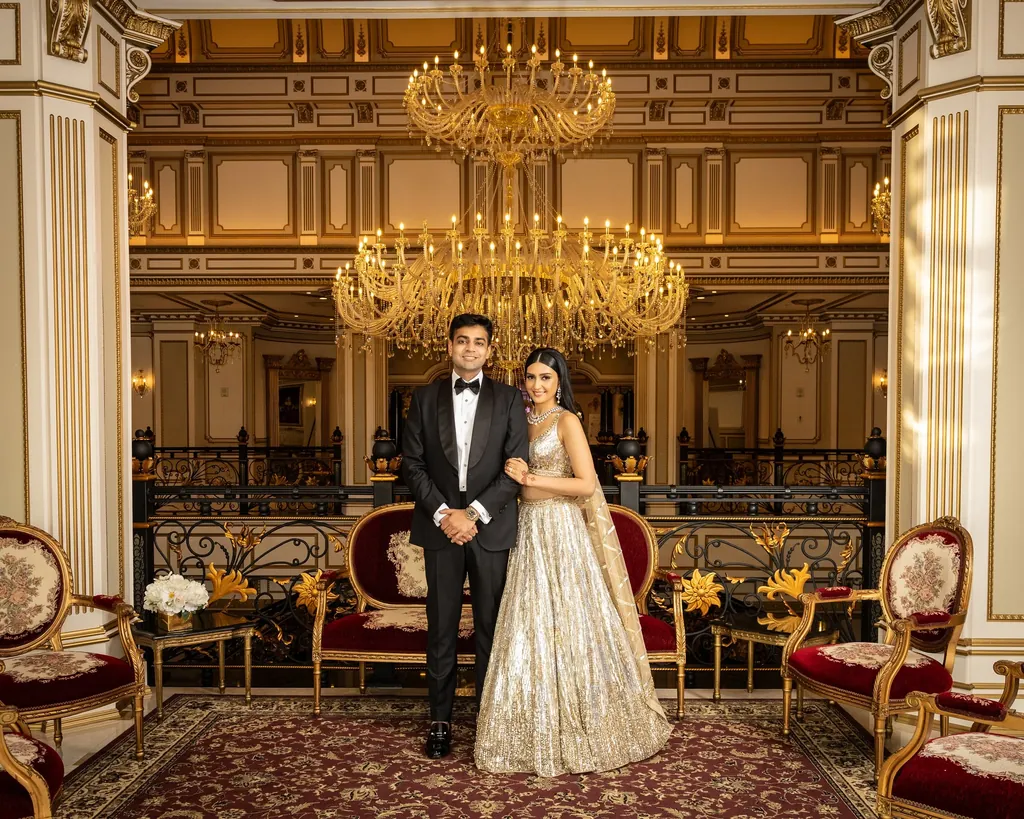
Bride and groom in a gilded ballroom under crystal chandeliers

Recording the mantras, the dhol and every speech

Ceremony audio is the hardest sound at an Indian wedding. The priest is often seated, speaking softly, with a fire, a crowd and a shehnai or nadaswaram close by. Where your priest and venue agree, we place a small recorder near the mandap before the ceremony begins, so the mantras come through clearly on film.

Speeches have a different problem: the room. We take a feed from your DJ where we can, and record a backup near the speaker in case the feed drops. The dhol at the Baraat is the opposite again. It needs no help, so we keep levels low enough that it does not distort.

  • Tell us who is speaking, and in what order
  • Introduce us to your DJ before the day
  • Let us know if any blessing should not be recorded

Our Wedding Photography Portfolio

How a same-day edit comes together

A short film of your wedding, shown before the night ends.

  1. 01

    Before the wedding

    We agree which moments it should include, a song you love and when it will play at the reception.
  2. 02

    Morning and ceremony

    The team films getting ready, the Baraat and the ceremony as planned, marking the shots meant for the edit.
  3. 03

    Editing during the day

    An editor works through that footage while the rest of the team keeps filming.
  4. 04

    Checking the screen

    We test the film with your DJ or AV team on the screen and speakers it will play on.
  5. 05

    The showing

    Your guests watch a day they are still in the middle of. We made a same-day edit for Zeel & Paras, and we can talk you through how one would fit your timeline.
Bride and groom walking out of a beach mandap through a shower of petals

Some moments only make sense in motion

The walk out of the mandap, the petals, the noise of everyone at once. Those are the moments we plan the cameras around.

Frequently asked questions

Still have a question? Ask us directly.

Check your date with us

Tell us your dates, events and venues, and we will come back with availability and coverage built around your celebration.