Kashi Yatra
The groom with his umbrella, fan and walking stick, and the bride’s father mid-persuasion. We want both faces in the frame, and the laughter around them.


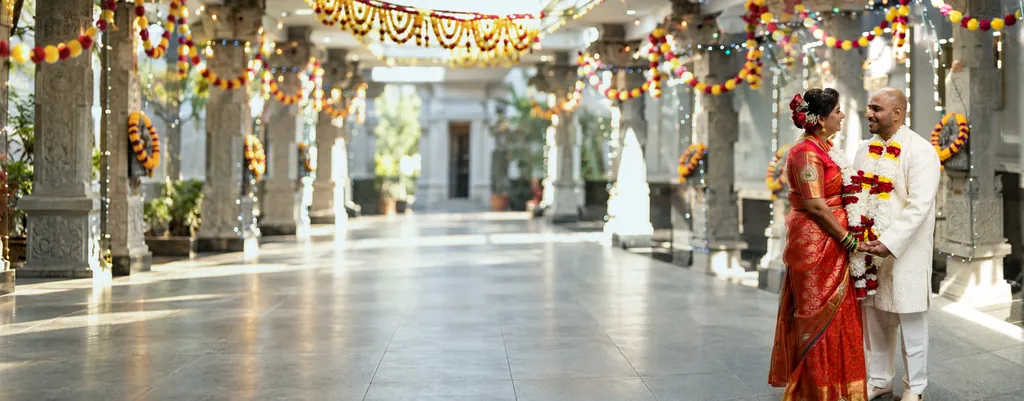
Photo and video for Tamil, Telugu, Kannada and Malayali weddings, planned around your muhurtham, from Kashi Yatra and Oonjal to the Thaali tying and Talambralu.
South Indian weddings move to their own clock. The Muhurtham, the auspicious window your family’s priest sets, can fall at dawn and last less than an hour, and the most sacred moment of the day, the tying of the Thaali or Mangalsutra, takes only seconds. Verma Photography provides South Indian wedding photography and videography for Tamil, Telugu, Kannada and Malayali families across New York and New Jersey, with a full-time team that plans around those windows instead of hoping for the best.
Whether your ceremony is in a temple hall in Queens, a banquet hall in Central Jersey or a hotel ballroom on Long Island, and whether it is followed by a lunch, a Western-style reception or both, we build coverage around the order of your rituals.
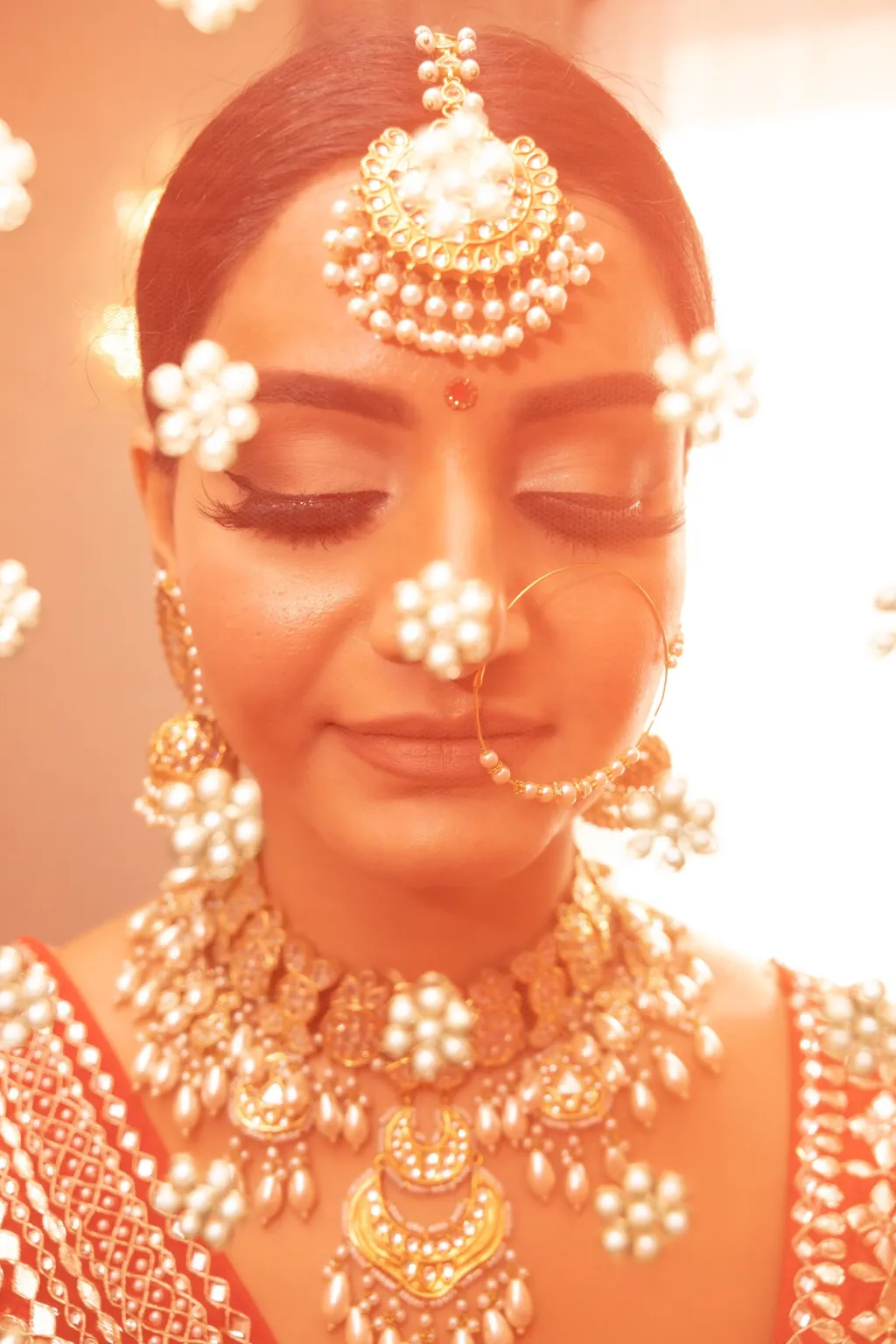
A Tamil wedding often begins the evening before with the Nichayathartham or Janavasam. The morning brings the Kashi Yatra, when the groom sets off with an umbrella, a fan and a walking stick as if leaving for a life of study in Kashi, and the bride’s father persuades him to stay and marry his daughter. Then comes Maalai Maatral, the garland exchange, with uncles lifting the bride and groom so each has to reach to place the garland. On the Oonjal, the couple sit together on a swing while the women of the family sing and circle colored rice balls around them. We photograph the Kanyadaanam with the bride’s parents, and the Muhurtham itself, when the nadaswaram rises into the Getti Melam and the groom ties the Thaali. The Saptapadi follows: seven steps taken together, the groom guiding the bride’s foot.
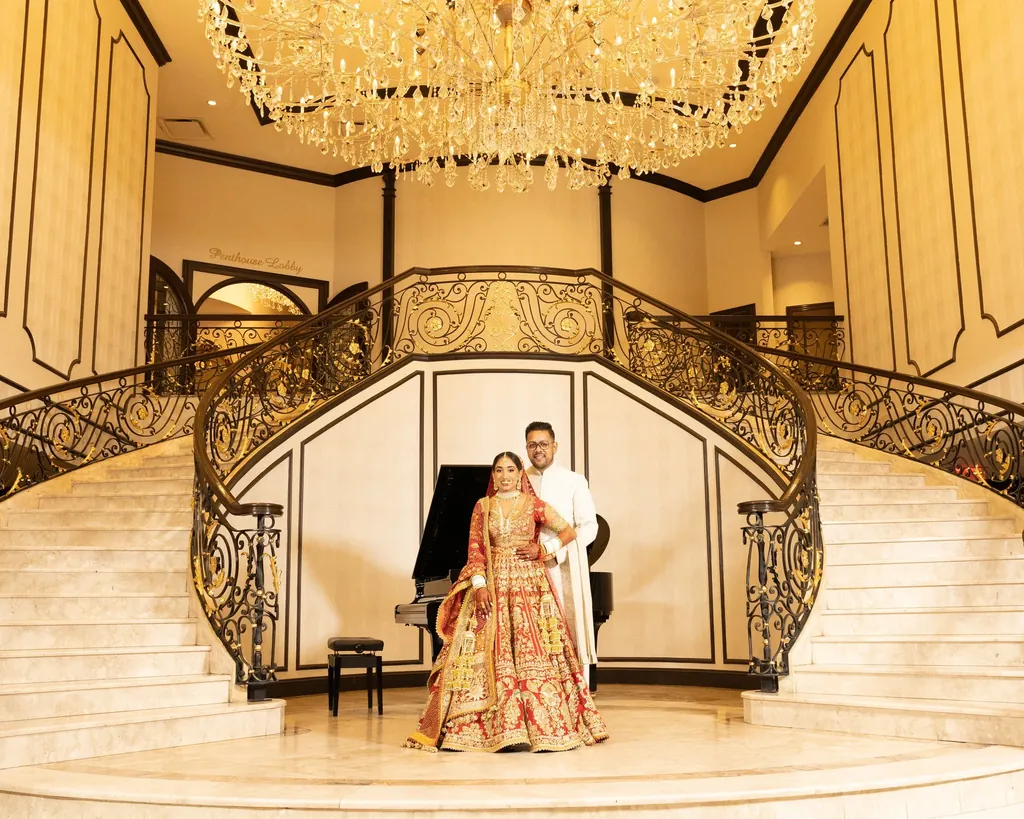
Telugu weddings start days earlier, with Pellikuthuru for the bride and Pellikoduku for the groom, turmeric and oil ceremonies at home, and often a playful Nalugu. The groom’s Snathakam is followed by his own Kashi Yatra. In many families the bride is carried to the mandapam in a decorated bamboo basket by her maternal uncles. A cloth screen separates the couple until the Muhurtham, when they place Jeelakarra Bellam, a paste of cumin and jaggery, on each other’s heads and the screen comes down. That is the moment we plan the whole morning around. The groom ties the Mangalsutra, and then comes Talambralu, the couple showering each other with turmeric-colored rice, usually with friendly competition between the two sides. The ceremony closes with the Saptapadi and the couple being shown the Arundhati star, a symbol of a devoted marriage.
Kannada weddings share a lot with their Tamil and Telugu neighbors, with their own names and order. The groom’s Kashi Yatre is followed by Vara Pooje, the formal welcome of the groom, then Dhaare Herdu, when the bride’s parents give her hand with water poured over the joined hands, and Mangalya Dharane, the tying of the Mangalsutra. The Saptapadi and blessings from elders follow. We stay close through the rituals and leave time for the large family groups that Kannada weddings often include.
Hindu Malayali weddings from Kerala are often short and focused, and can be complete in well under an hour. The ceremony centers on the Thalikettu, when the groom ties the Thali at the auspicious moment, and the Pudamuri, when he presents the bride with a new saree. Garlands are exchanged and the couple walk around the lit lamp. Most take place in a morning muhurtham, at a temple or in a hall set up with a simple mandapam, so there is no time to reposition once it begins. For Kerala Christian families, we also photograph church weddings with the Minnu Kettu and Manthrakodi.
Many South Indian couples marry in the morning in silk and gold, then change for an evening reception with a first dance, toasts and a DJ. Some add a Western ceremony or a cocktail hour in between. We treat both halves as one wedding: the same team where possible, a consistent edit, and a schedule that allows for the gap between events. Our Indian wedding photography page explains how we cover multi-day weddings.
We start with your events, dates, venues and the muhurtham time from your priest. Then we build a coverage plan: when the team needs to arrive, who covers the bride’s side and who covers the groom’s, and which rituals need both photo and video. Before the wedding we confirm the final order of ceremonies, the temple’s rules and your family portrait list. If you are not sure of the order yet, your priest’s schedule is the best place to start. Every package can be customized.
At a South Indian wedding, the Thaali is tied once, in a few seconds, inside a crowd, often at an hour when the light is poor. If the photographer does not know that the Getti Melam signals it, or that the screen is about to come down for Jeelakarra Bellam, the moment is gone. Knowing the rituals lets us stand in the right place, stay quiet when the priest needs quiet, and respect the temple and your elders while we work.
We are based in New York and cover all of New York and New Jersey. In New Jersey, many South Indian families celebrate around Edison and Princeton; see South Indian wedding photography in New Jersey. In New York, we work across Queens, Long Island and the rest of the city; see South Indian wedding photography in New York City. We also travel for destination weddings. Browse our portfolio or tell us your muhurtham date.
How the morning runs for the camera when your Muhurtham is at sunrise.
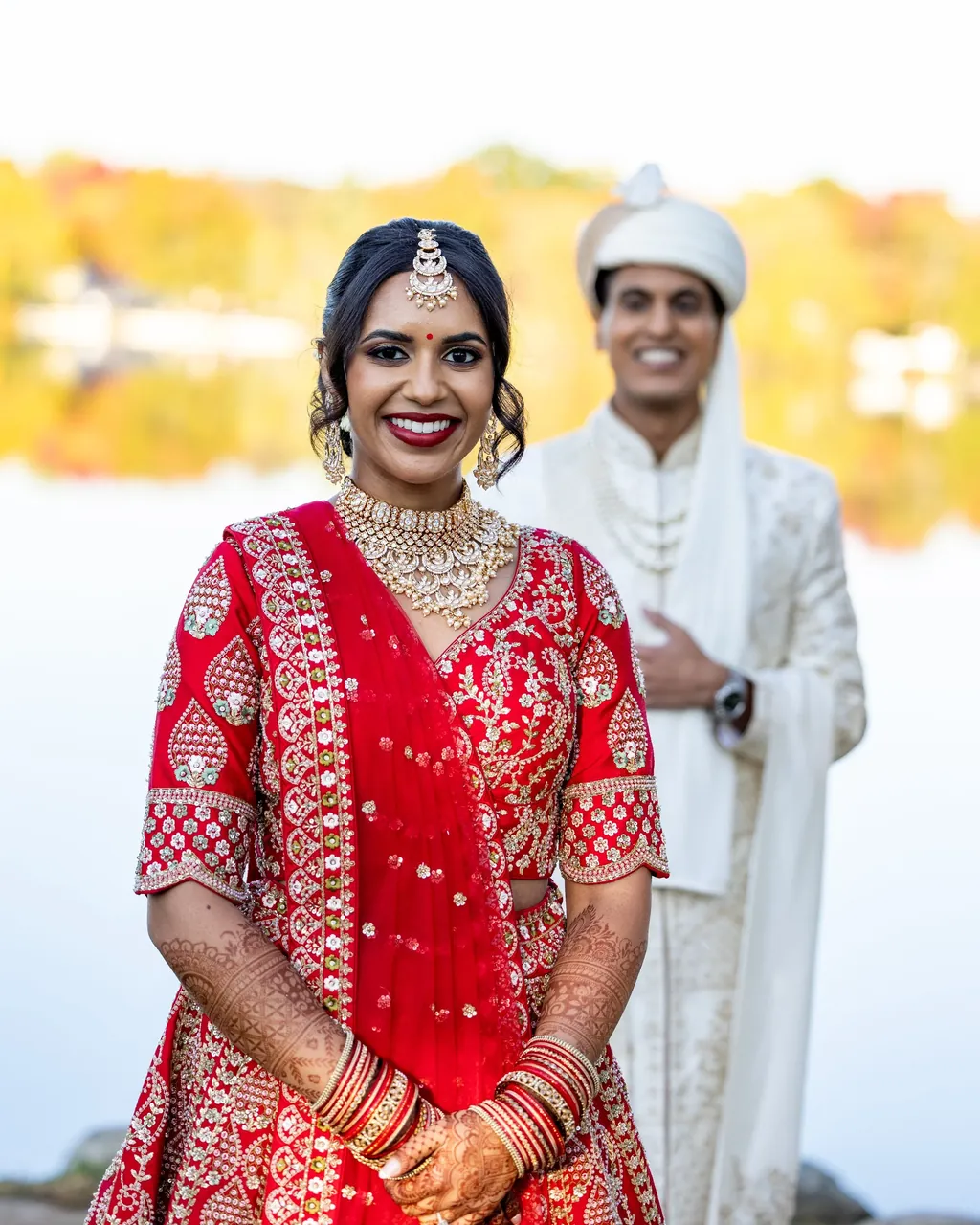
A South Indian wedding is full of color before most of the city is awake. We plan the light as carefully as the rituals.
The two traditions share a lot. These are the differences that change how we plan the day.
Most of the photography sits in one morning, often an early one, with the Nichayathartham or Janavasam the evening before.
Coverage often starts days earlier at home, and the Muhurtham can fall in the morning or late at night, depending on the time your priest sets.
What we make sure each frame holds.
What you can expect from us inside a temple or a temple hall.
In their own words on Google: four-day weddings, Diwali parties, anniversaries and more.

A Virk
From start to finish, Jay and his entire team made our wedding experience effortless, joyful, and incredibly special. We had a four-day wedding celebration with a mix of Indian and American events, and somehow they captured everything, every emotion, every ritual, every candid moment, without ever feeling intrusive or stressful. Jay is not only an insanely talented photographer, but also a calm, organized, and reassuring presence. His team kept everything running smoothly, helped guide us when needed, and truly understood the flow and importance of both cultures. From Punjabi ceremonies to the American wedding events, they knew exactly what moments mattered and how to document them beautifully. What stood out most was how easy they made the entire process. During a long, multi-day wedding, that peace of mind is priceless. If you are looking for a photography team that is professional, culturally fluent, incredibly hardworking, and genuinely invested in your experience, I cannot recommend Verma Photography enough. We would choose them again in a heartbeat and recommend them to anyone and everyone.

Naresh Kumar
We recently had the pleasure of booking Verma Photography for our anniversary, and we couldn't be happier with the results! From start to finish, the team was professional, friendly, and attentive to every detail. They captured every moment beautifully, from the candid smiles to the emotional vows, with a perfect mix of traditional and creative angles. We highly recommend Verma Photography & Videography for anyone looking to capture their wedding day in a truly stunning way and look forward to working with them again soon!
Rahual Kumar
I recently booked Verma photography for my brother's wedding. Jay and his team were beyond amazing and so easy to work with. They were very professional and the photos/videos were delivered on time with such great attention to detail. Would recommend Jay and his team to anyone for top quality service
Saajan Shah
When you work with Verma Photography, you don't just get amazing photos and videos to remember your events by. You also have a lot of fun and feel valued as a client. We hired Verma Photography for our destination wedding and we had a wonderful time working with them. They all were kind and professional, they kept us smiling and laughing throughout the whole weekend, they were respectful of our time and our schedule, and they interacted very well with our guests and vendors. They understand that it isn't just about the photos and videos, but also being able to read the clients' needs, energy, comfort level, and vision. Leading up to our wedding, they took the time to understand what our vision was. They showed great enthusiasm and professionalism from start to finish. They were always prepared and on time, and they handled challenges very well. The entire Verma Photography team works really hard while striving to give the best results. We enjoyed working with them, we loved the photos and videos they delivered, and we know we'll be looking to hire them again in the future. The entire experience that we had working with Verma Photography exceeded our expectations and we highly recommend them for any of your photo and video needs!
Still have a question? Ask us directly.
Tell us your dates, events and venues, and we will come back with availability and coverage built around your celebration.