
Skip to content
Verma Photography
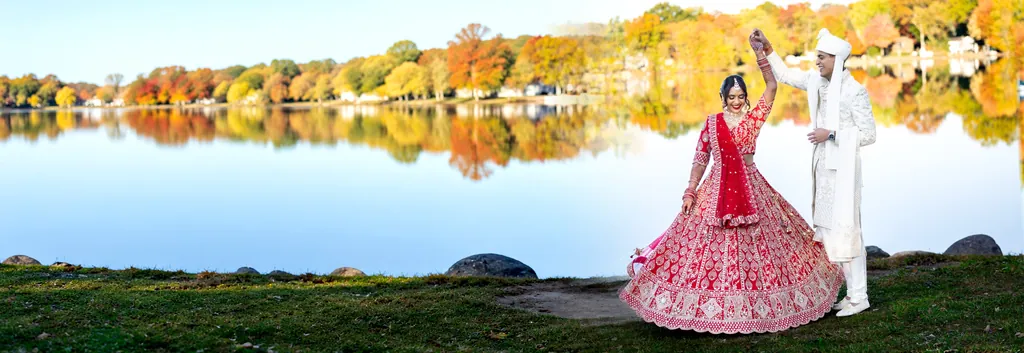
Bride in a red lehenga twirls as the groom in an ivory sherwani lifts her hand, beside an autumn lake

Indian Wedding Photography in New York and New Jersey

Photo and video coverage for multi-day Indian weddings, from Mehndi and Sangeet to the Pheras, Vidaai and reception, across New York and New Jersey.

Verma Photography is an Indian wedding photographer and videographer team based in New York, covering weddings across New York and New Jersey. Our photographers, videographers and editors work for the studio full time, and our team is set up for the way Indian weddings actually run: Mehndi afternoons, Sangeet nights, Baraat mornings and receptions that go on past midnight.

If your wedding is three or four days of events, with Indian ceremonies and an American-style reception in one celebration, that is a shape we know well. One of our couples celebrated over four days, and we covered each event as its own story while keeping the whole wedding consistent in look and feel.

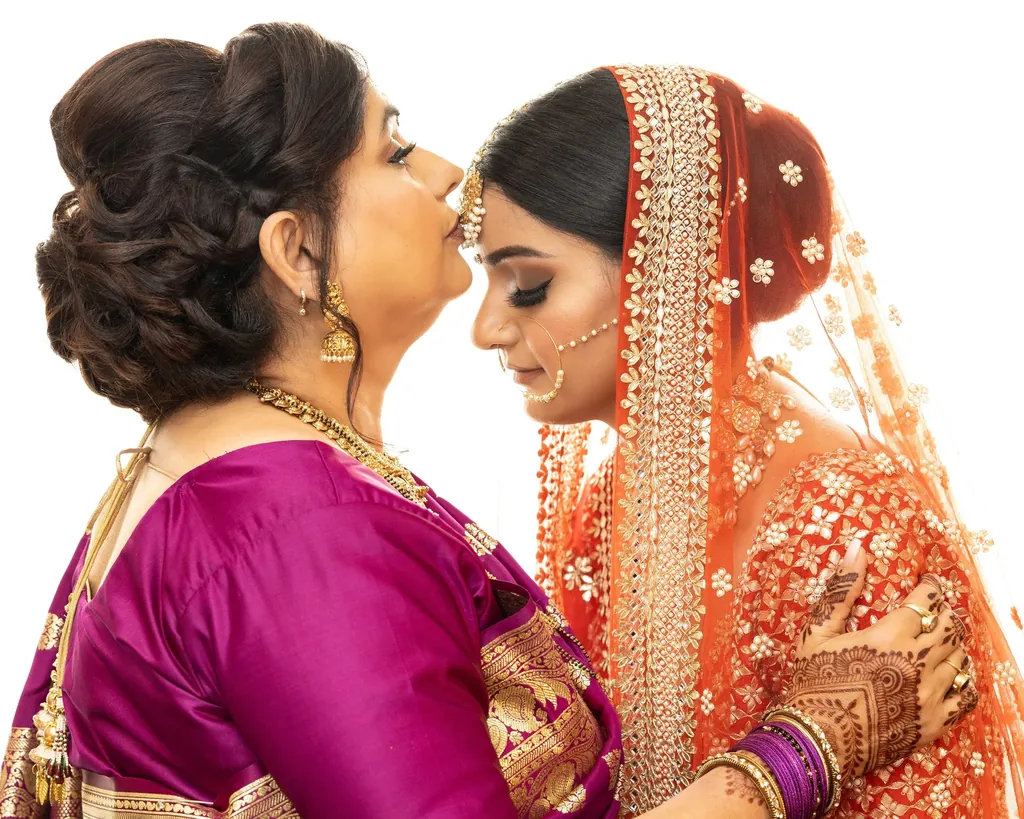
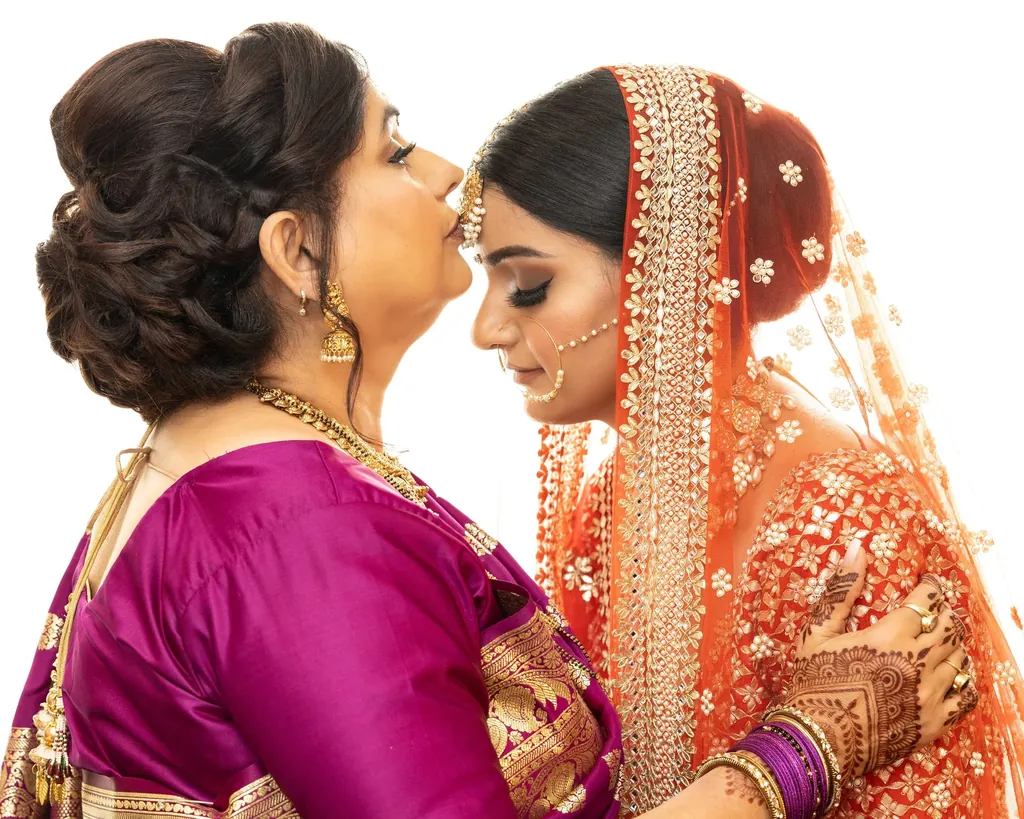
Mother kissing the bride on the forehead before the ceremony

What Indian wedding photography coverage looks like with us

Every event in an Indian wedding has a different pace. A Haldi is close, messy and full of laughter. A Sangeet is a stage show with family performances, so it needs the right angles and a plan for low light. A Baraat moves down a street or a hotel driveway behind a dhol, and the groom’s arrival can be over in minutes. The Pheras are quiet and sacred, and the mandap often comes with rules about where we can stand.

So we plan coverage event by event. For each one we agree on start times, who needs to be photographed, which family portraits matter most, and whether you want video at that event as well. Then we staff it so that nobody is missed: the bride getting ready, the groom’s side gathering for the Baraat, the grandparents who arrive before everyone else.

How we handle a multi-day Indian wedding

The events before the wedding

Mehndi, Haldi and Sangeet are where many of the candid, emotional pictures come from. We photograph the details (henna patterns, turmeric bowls, outfits, decor) and then stay with the people: the aunt who starts the dancing, the cousins who rehearsed for weeks, your parents watching from the side. For Gujarati families we cover Mandvo Mahurat, Pithi and Garba with the same attention.
The wedding day

The wedding day usually starts early. We photograph getting ready on both sides, then the Baraat, the Milni between the two families, the Jaimala and the ceremony in the mandap. During the Pheras we work quietly and stay out of the priest’s way, while still getting the faces of the couple and the families around them. The Vidaai is often the most emotional moment of the day, and we make sure someone is already in position for it.

The reception

Many of our couples finish with an American-style reception: grand entrance, first dance, toasts and an open dance floor. We switch to a reception rhythm, with lighting suited to the room and coverage of the speeches and the dance floor through the end of your booked time.

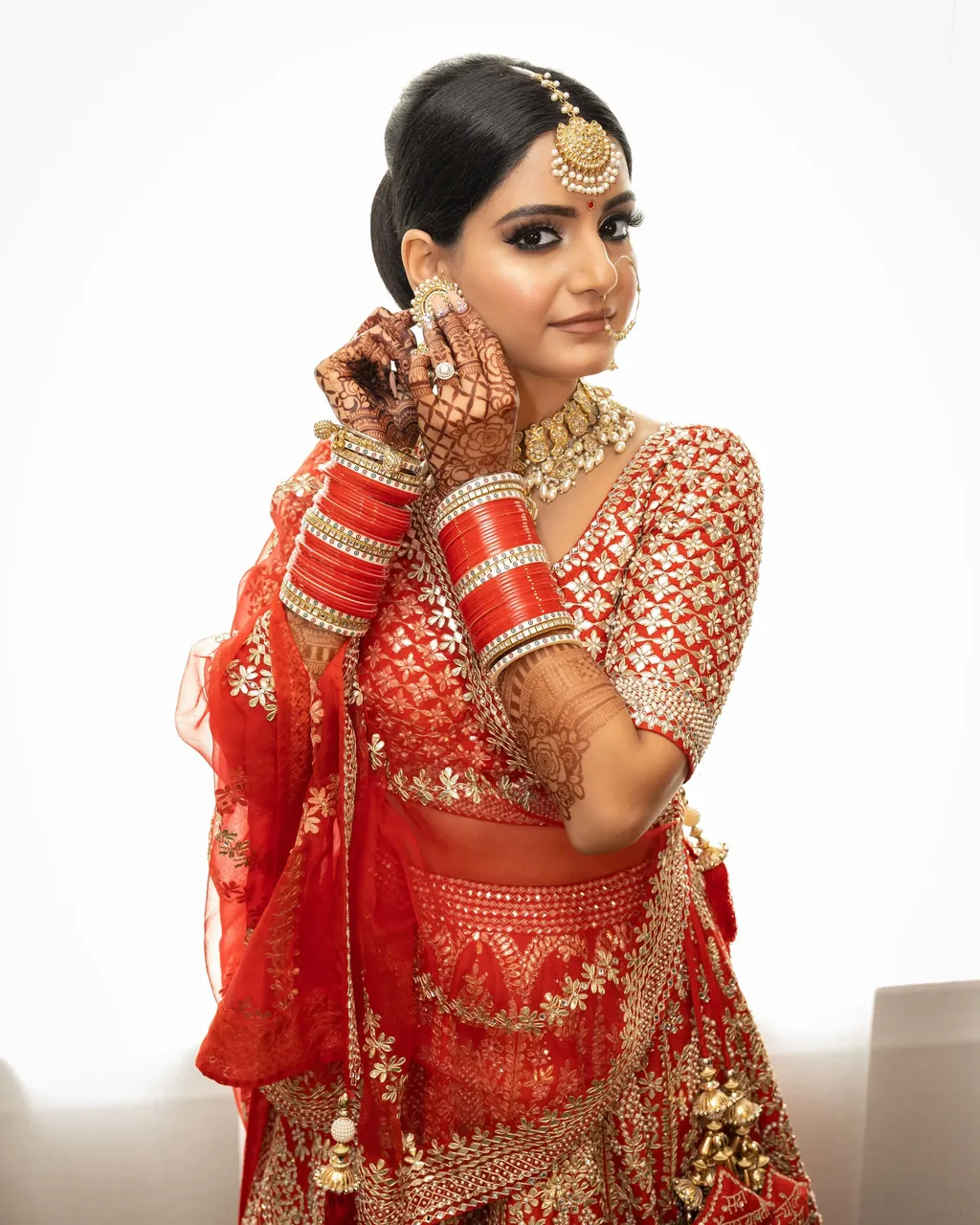
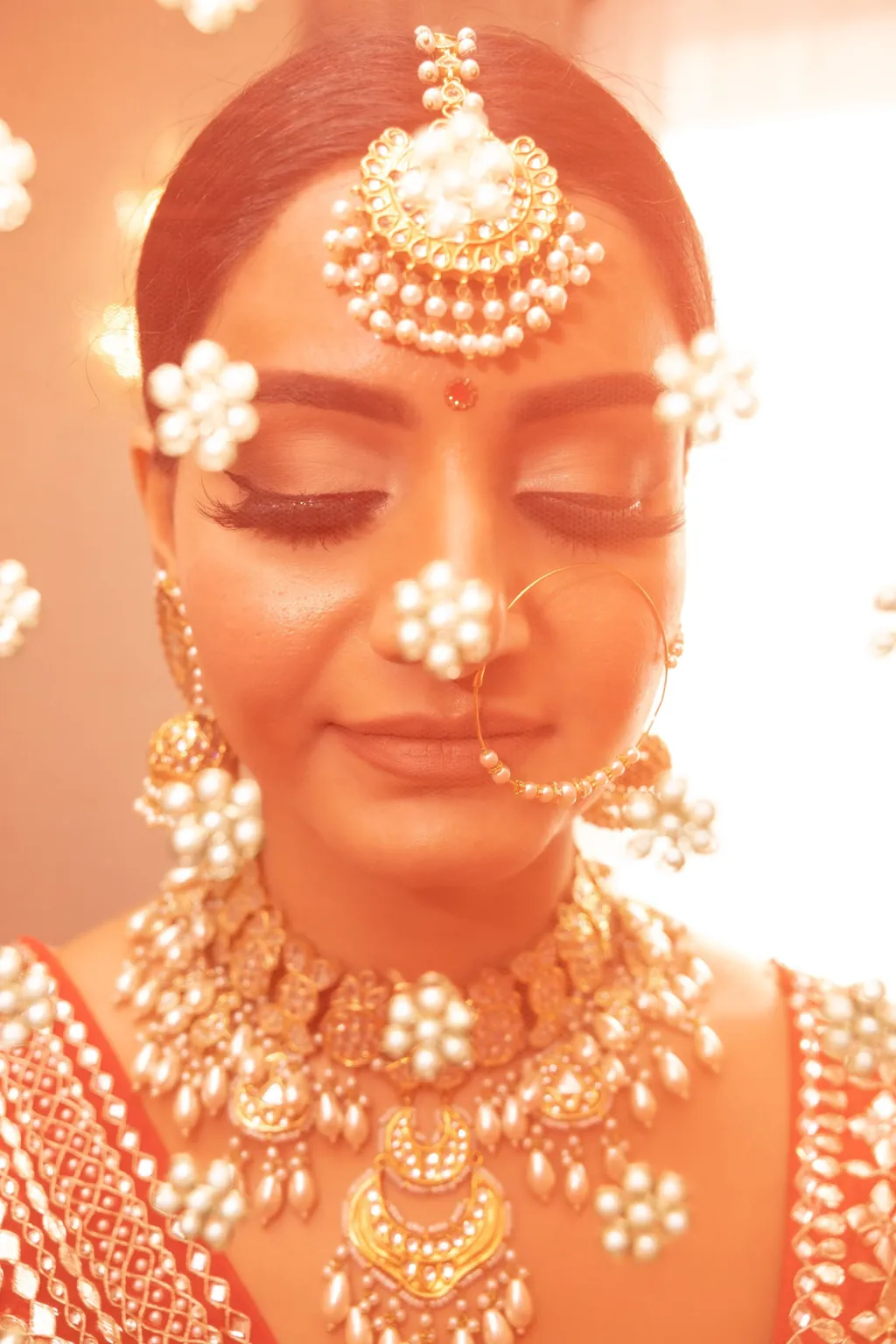
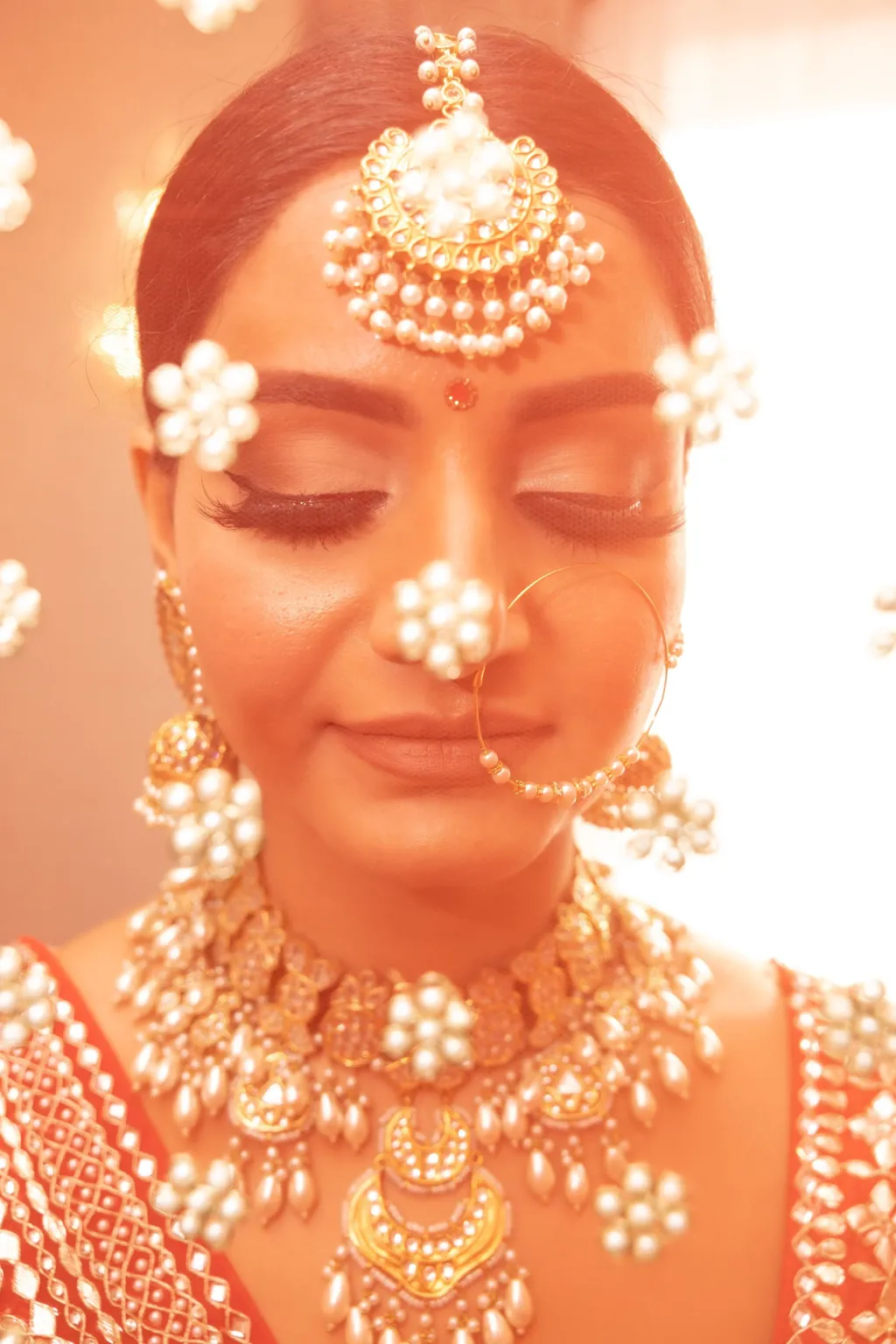
Close up of a bride in maang tikka and nath, eyes closed

Traditions we photograph

Indian weddings are not one tradition. We photograph North Indian, Gujarati, Punjabi and Sikh, Bengali and fusion weddings, and South Indian weddings from Tamil, Telugu, Kannada and Malayali families. For Muhurtham, Kashi Yatra, Oonjal and the Thaali tying, see our South Indian wedding photography page. We also have dedicated pages for Sikh and Punjabi weddings, Muslim and Nikah weddings and wider South Asian weddings.

What you receive

  • Edited digital photos

    from every event you book, color corrected and ready to share and print.
  • Wedding films

    if you add video, from a highlight film to longer edits of the ceremonies. See Indian wedding videography.
  • Albums and canvas prints

    designed from your selects, for you and for your parents.
  • Drone photo and video

    where the venue and airspace allow it, useful for a Baraat or an outdoor mandap.

Packages can be customized with extra hours, extra events, albums and prints.

How planning works

  1. 01

    A first conversation

    Tell us your dates, events, venues and guest count, and what matters most to you and your families.
  2. 02

    A coverage plan

    We match each event to the right team and hours, including travel between venues.
  3. 03

    A timeline check before the wedding

    We go through the schedule with you or your planner, so we know the muhurat, the Baraat start time and the family portrait list.
  4. 04

    The wedding

    Our team arrives early, works alongside your priest, DJ and planner, and stays with your families through each event.
  5. 05

    Editing and delivery

    Our in-house editors work through your photos and films. Couples who review us often mention on-time delivery.

Why a team that knows the rituals matters

At an Indian wedding the key moments are short and they do not repeat. The garland goes on once. The knot is tied once. The sindoor is applied once. A photographer who knows the order of the ceremony is already in the right place when it happens, instead of reacting a second too late. Knowing the rituals also means knowing the etiquette: when to cover your head, when to step back from the mandap, when to ask an elder before taking a portrait. Reviewers often describe our team as friendly and professional, and that matters when you are working among two families for several days.

Where we photograph Indian weddings

Our studio is in New York, and we cover all of Long Island, New York City, Westchester and the Hudson Valley, plus every part of New Jersey. Central Jersey couples can start with our Edison page, and Queens families with Queens. For local detail, see Indian wedding photography in New Jersey and Indian wedding photography in New York City. We also travel for destination weddings.

Browse real weddings in our portfolio, watch our films, or send us your dates.

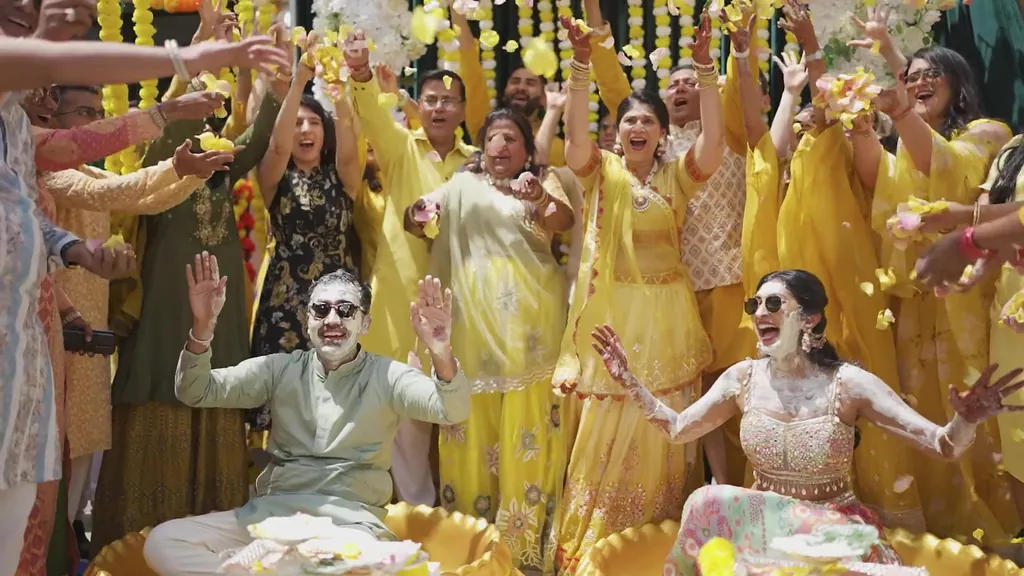
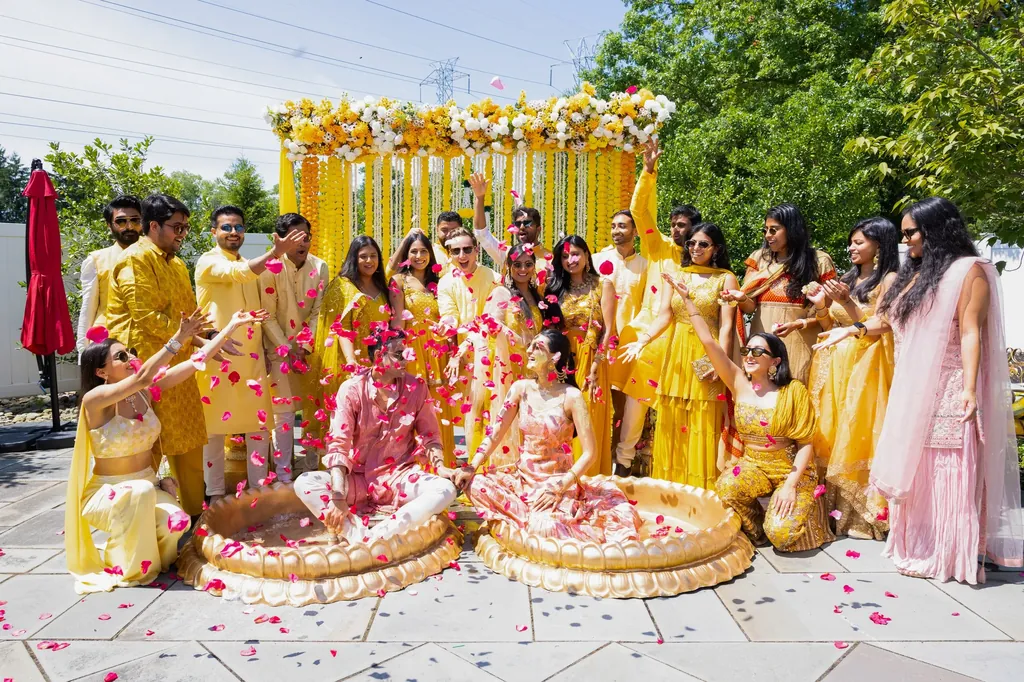
Wedding party in yellow seated under a floral haldi canopy

What a Haldi looks like in photos

A Haldi is the one event where nobody minds getting messy. Turmeric paste on cheeks and arms, marigolds everywhere, and cousins who planned to stay clean and did not. The pictures are close and bright, and the best ones are often of the people doing the applying.

We dress for it, protect our cameras and stay near your eye level. If the Haldi is outdoors, tell us the time: yellow outfits in hard midday sun lose their detail, so we look at where the light will be and suggest where to sit.

  • The bowls and flowers before anyone arrives
  • Grandparents giving the first touch of turmeric
  • The moment it turns into a free for all

How the team splits when events overlap

On a big wedding day, two or three things often happen at once.

  • The bride’s side

    Getting ready, the jewelry, the Chooda or a final ritual at home, and the moment your parents first see you dressed.

  • The groom’s side

    Getting ready, the sehra being tied and the family gathering before the Baraat sets off.

  • The Baraat

    One of us moves with the dhol and the dancing. Another is already waiting at the venue entrance for the arrival and the Milni.

  • The mandap

    While the Baraat dances outside, someone photographs the mandap, the decor and the guests taking their seats, before it gets crowded.

  • Coming together

    For the Jaimala and the Pheras the whole team is in the room, with angles agreed in advance so nobody is in anyone else’s shot.

Our Wedding Photography Portfolio

What to send us before the wedding

A short list that saves a lot of time on the day.

Frequently asked questions

Still have a question? Ask us directly.

Check your date with us

Tell us your dates, events and venues, and we will come back with availability and coverage built around your celebration.