
Fusion, Interfaith and Multicultural Wedding Photography in New York and New Jersey
Photo and film for mixed weddings across NY and NJ: Indian American, interfaith and multicultural celebrations, covered as one story.
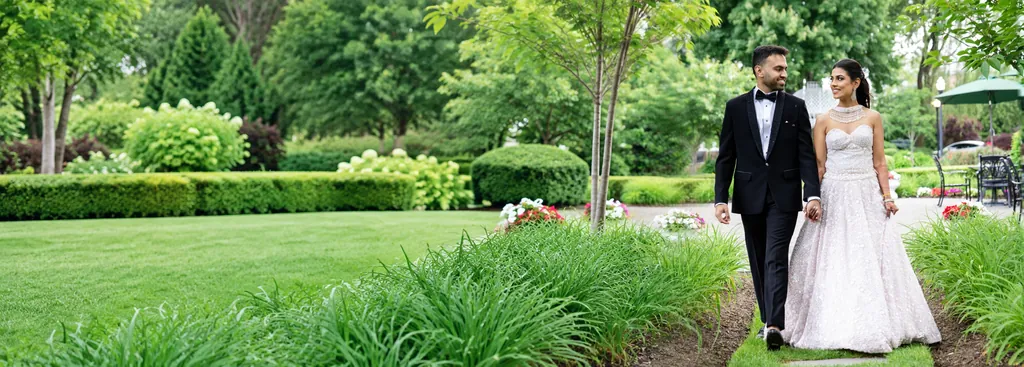
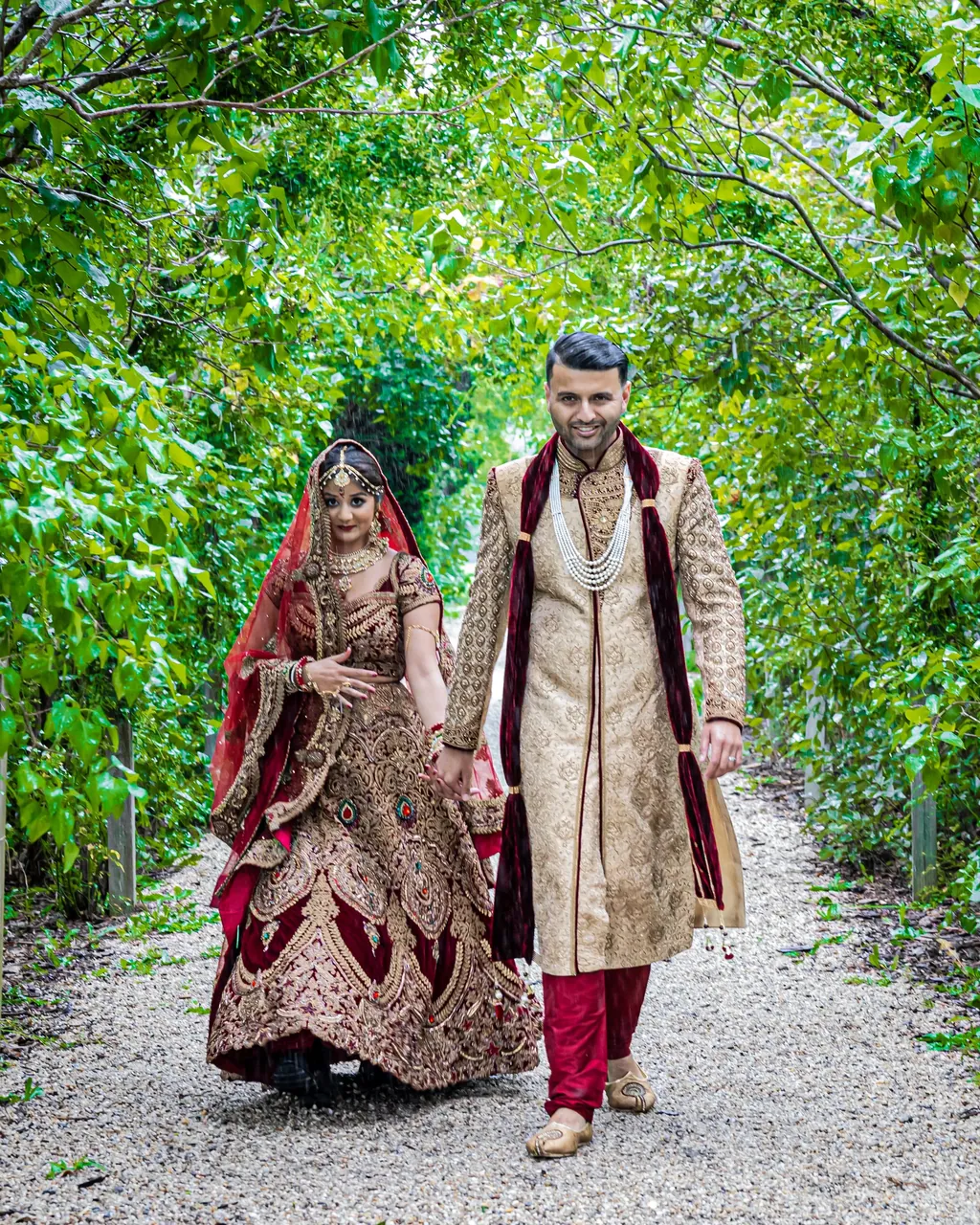
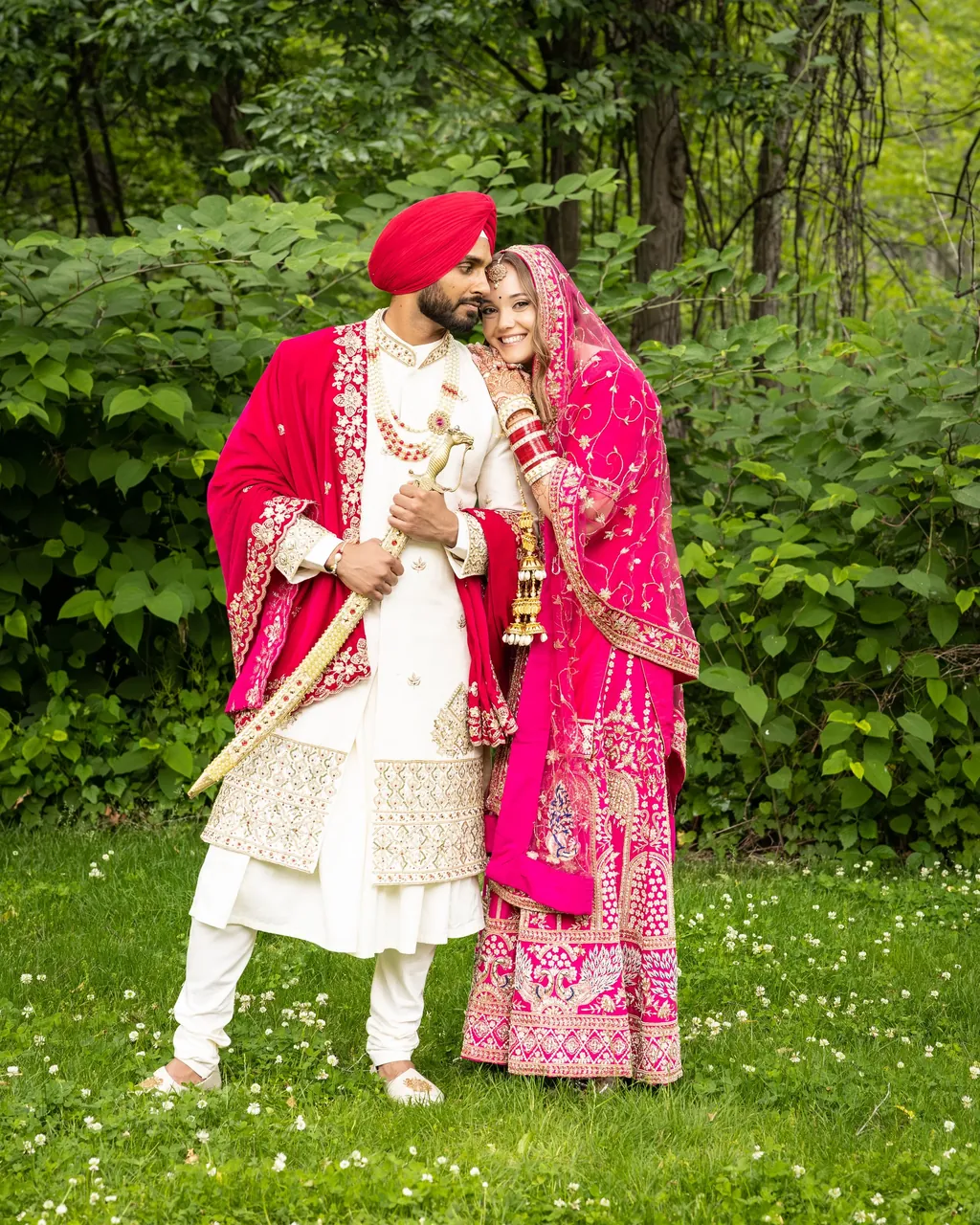
More and more weddings bring two cultures together: an Indian bride and an American groom, a Hindu family and a Christian family, a Sikh ceremony in the morning and a first dance at night. Verma Photography photographs and films fusion, interfaith and multicultural weddings across New York and New Jersey, from our studio in New York. Many of the weddings we cover mix Indian and American events, and one of our couples had a four-day wedding that did exactly that.
A mixed wedding is not two weddings stitched together. It is one story told in two languages, and the photographs and films should read that way.
Indian American weddings
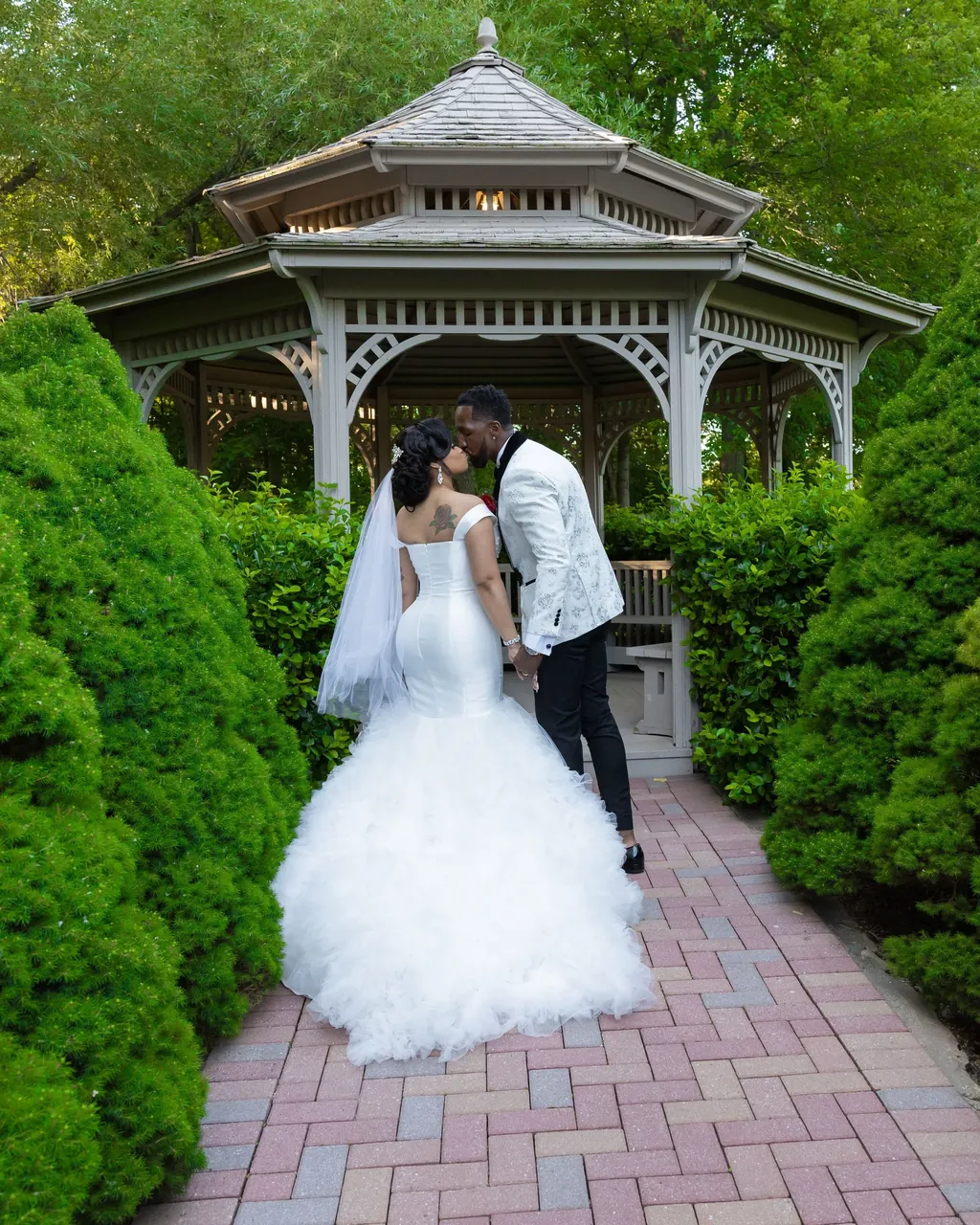
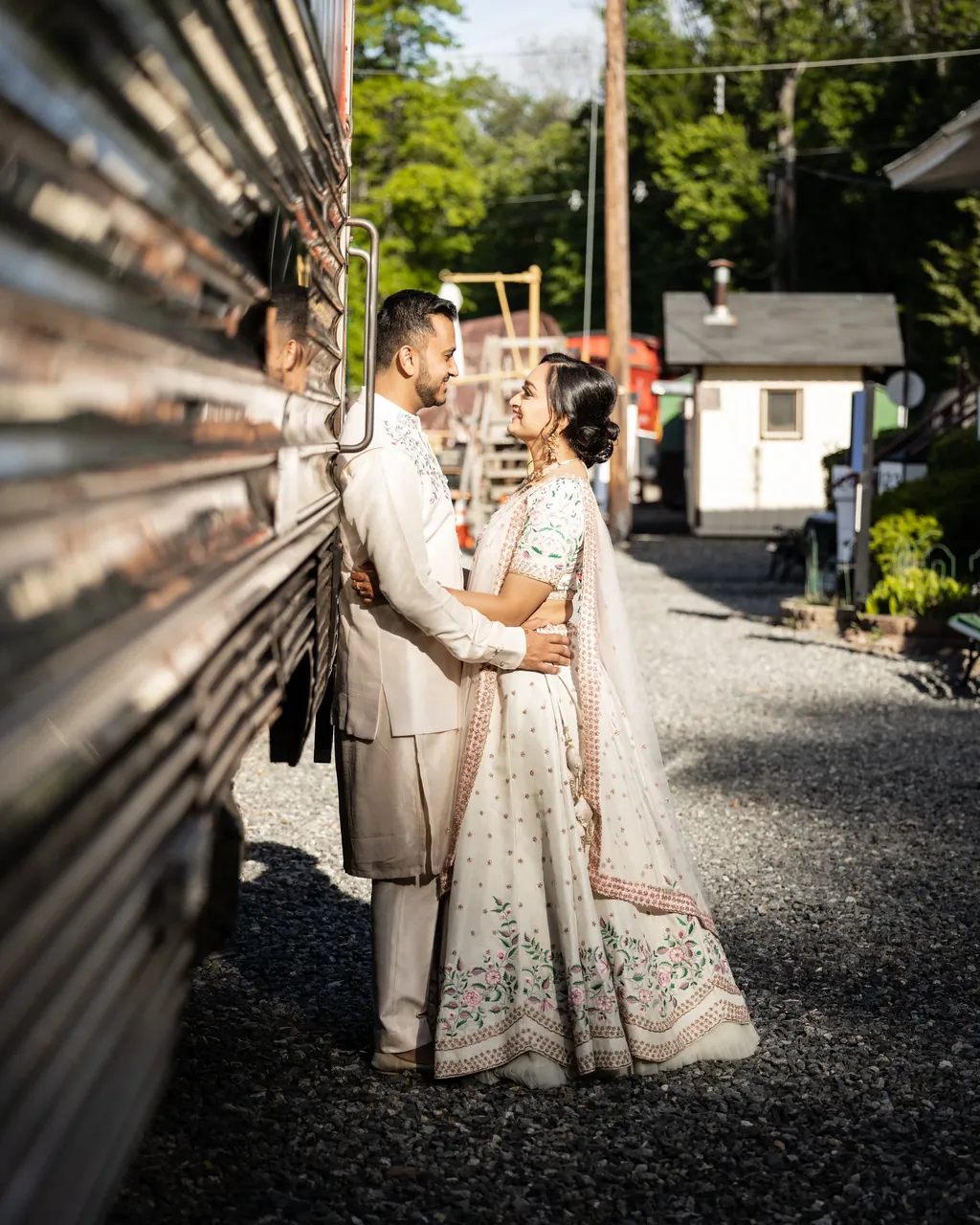
The most common shape we see is an Indian ceremony and an American reception: Pheras, a South Indian Muhurtham or an Anand Karaj during the day, then an evening with a grand entrance, toasts, a first dance and a DJ. Sometimes it runs the other way, with a church or civil ceremony on one day and a Sangeet or Mehndi the night before.
We cover both halves with the same care. The team that knows when the Jaimala is coming also knows when to be in position for the father of the bride’s speech. See Indian wedding photography for the rituals in detail.
Interfaith and multicultural weddings
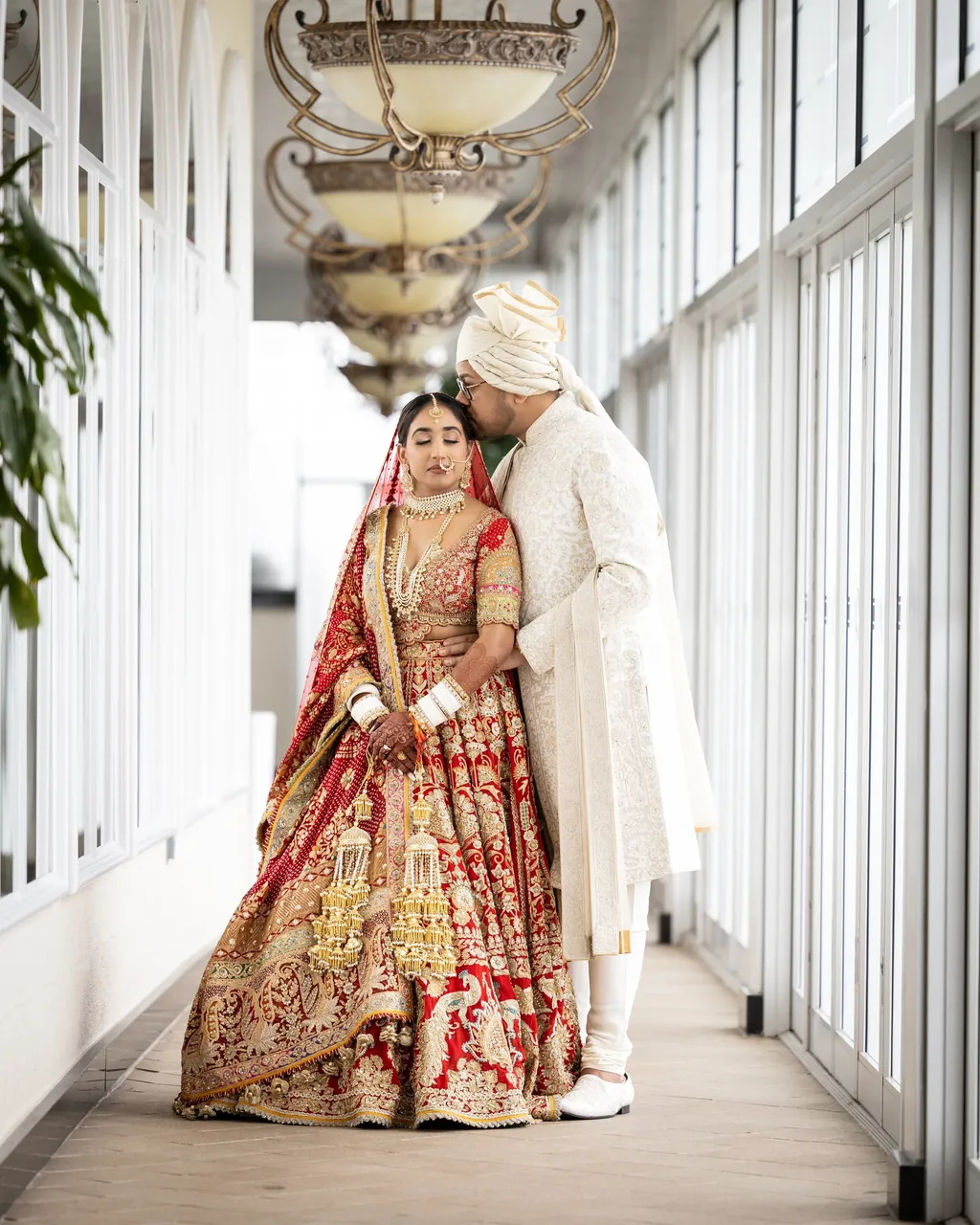
Interfaith weddings take many forms. Some couples hold two full ceremonies, for example a Hindu ceremony and a Christian ceremony, or a Nikah and a Western exchange of vows. Some hold one ceremony with elements from both families, led by two officiants or a single officiant who weaves them together. Others keep the ceremony civil and bring their cultures into the other events.
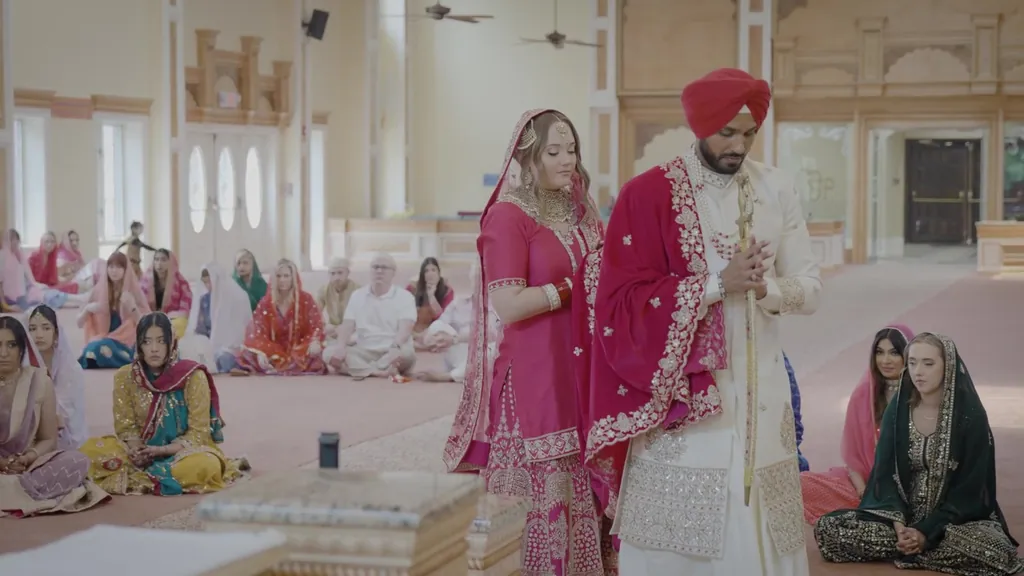
Whatever you choose, we ask about it early. We want to know which moments matter to each family, which customs have rules for photographers, and which relatives should be in which portraits. For South Asian families that may also include a Nikah, a Sikh Anand Karaj or a South Indian ceremony.
What makes a fusion wedding different to photograph
Outfit changes
A lehenga or saree for one ceremony and a white gown or suit for another means separate portrait time for each look. We plan it into the timeline so neither is rushed.Venue changes
A temple or gurdwara in the morning and a ballroom at night, or a backyard Haldi and a hotel reception. We plan travel between them so the team arrives before you do.Two sets of family portraits
Large families on both sides, often with different ideas of who belongs in which photo. We work from a family list you send us in advance.Two kinds of ceremony etiquette
A church may limit where photographers stand; a gurdwara asks every person to cover their head. We confirm the rules for each place beforehand.Consistent editing
The colors of a Mehndi and the ivory of a church ceremony should still look like the same wedding. Our editors finish every event as one collection.
Films for mixed weddings
A film is the best way to show how two cultures sat side by side over a weekend. Our wedding videography covers each event, from a highlight film to the full ceremonies, so both families can watch the parts that matter most to them. Couples can add a same-day edit, a short film shown at the reception the same night.
How planning works
We begin with a call about your families, your events and your ceremonies. Then we build coverage event by event: who from our team is at each, how long, and what you would like at the end, whether that is edited photos, films, albums or canvas prints. Packages can be customized with extra hours, albums and prints. Check your date.
Where we work
We photograph fusion and multicultural weddings across New York and New Jersey, including Long Island, New York City, Westchester, the Hudson Valley and New Jersey, and we travel for destination weddings.
One day or two?
Both ceremonies on one day
Common when families travel in for a single weekend.
- A morning ceremony, a break, then an evening ceremony or reception
- Outfit change and portraits in the gap
- Tighter timeline, so we plan travel between rooms closely
A ceremony on each day
Common when each ceremony is long or held at a different venue.
- Each ceremony gets a full, unhurried day
- Separate portrait sessions for each look
- Two sets of getting-ready coverage
Two looks, one wedding
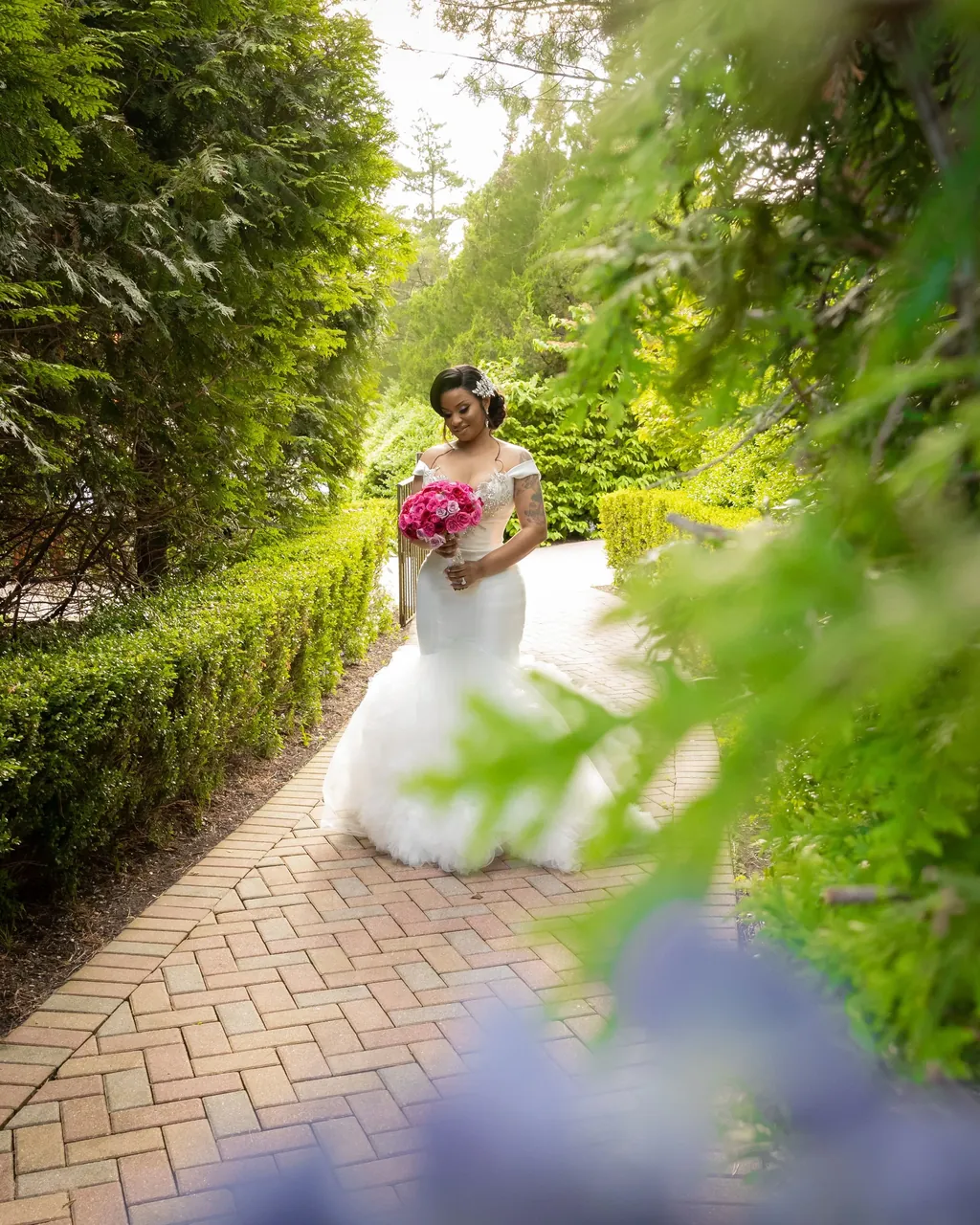
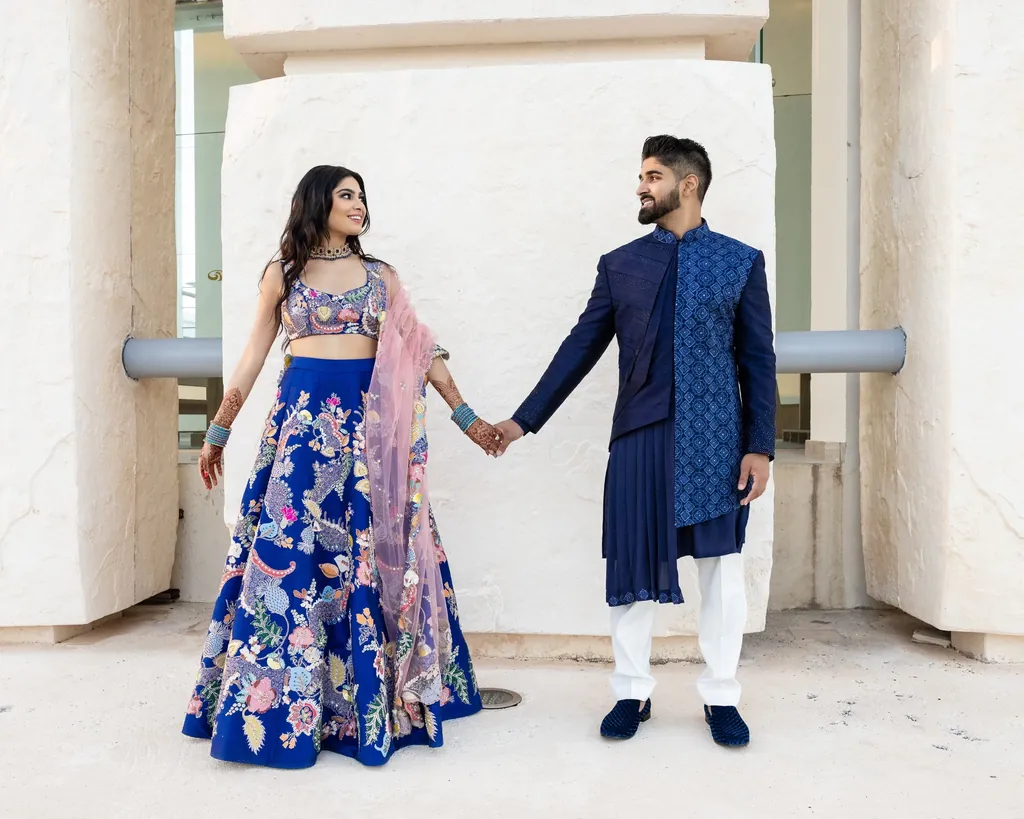
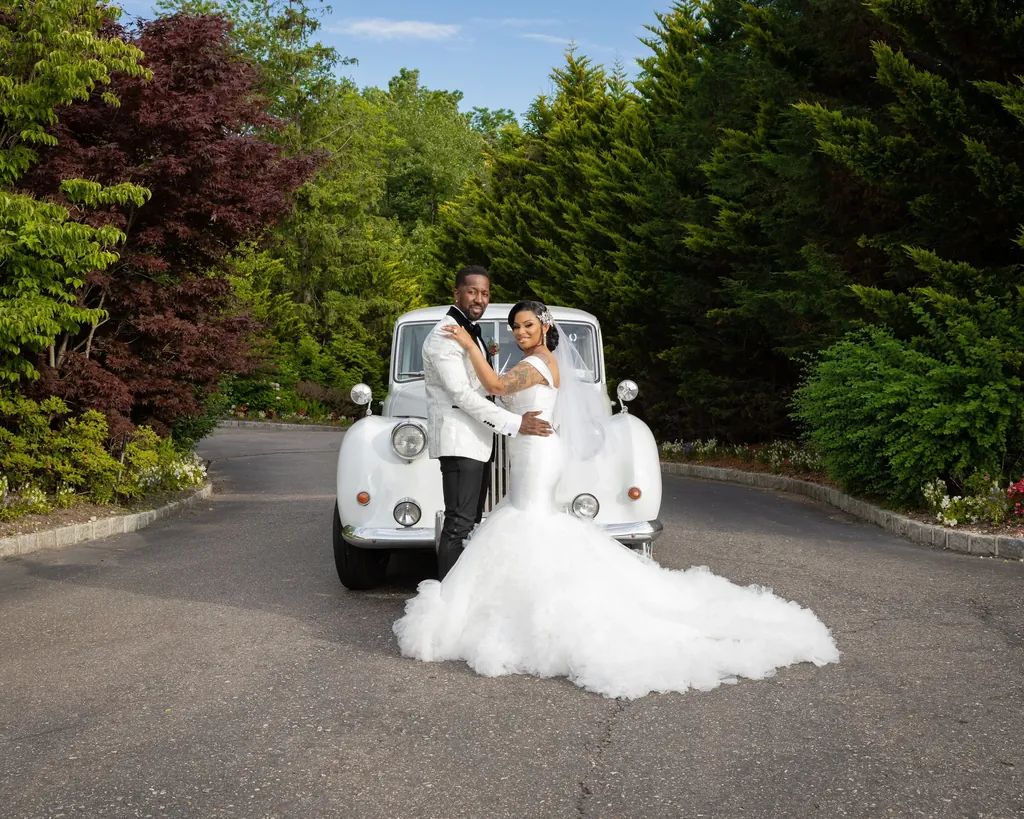
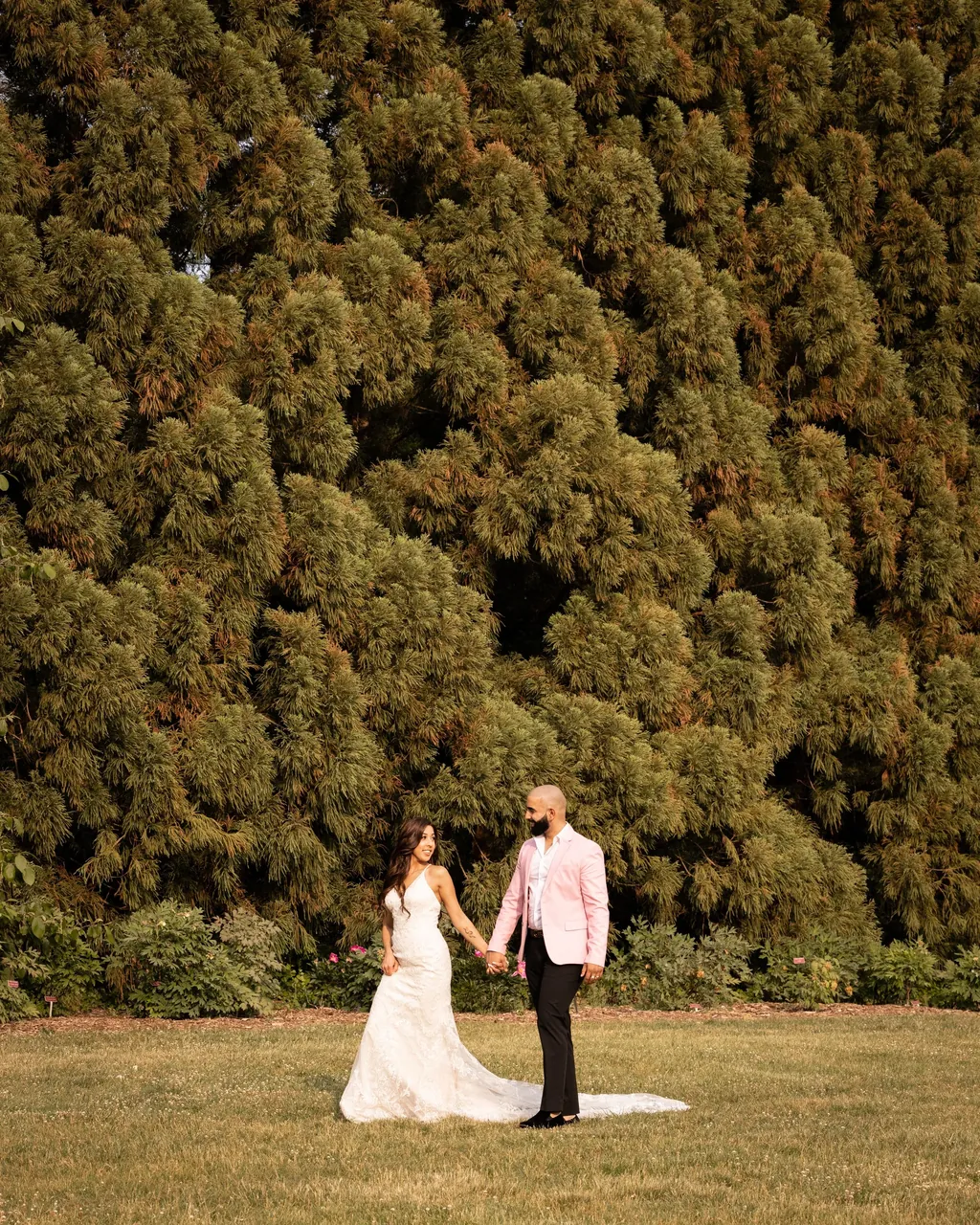
Lehenga and gown, sherwani and tuxedo: we plan portrait time for each.
Wedding films that follow every event
Our Wedding Photography Portfolio
How a fusion weekend often runs
- 01
Friday night
Mehndi or Sangeet with both families, often the first time many of them meet. - 02
Saturday morning
Getting ready in traditional outfits, then the Indian ceremony: Pheras, a Muhurtham, an Anand Karaj or a Nikah. - 03
Saturday afternoon
Family portraits for both sides, then a break and an outfit change. - 04
Saturday evening
A Western ceremony or vows, cocktail hour, grand entrance, toasts and the first dance. - 05
Sunday
A brunch or Walima, and a quieter set of portraits if you want them.
Settle these with both families before the shot list
- Which ceremonies happen, and where
- Who officiates each one
- Photography rules at each venue
- Family portrait groups for both sides
- Which elders must be in which photos
- Rituals that need a close camera
- Moments that should not be filmed
- When each outfit change happens
What Couples Say About Working With Jay’s Team
In their own words on Google: four-day weddings, Diwali parties, anniversaries and more.

A Virk
From start to finish, Jay and his entire team made our wedding experience effortless, joyful, and incredibly special. We had a four-day wedding celebration with a mix of Indian and American events, and somehow they captured everything, every emotion, every ritual, every candid moment, without ever feeling intrusive or stressful. Jay is not only an insanely talented photographer, but also a calm, organized, and reassuring presence. His team kept everything running smoothly, helped guide us when needed, and truly understood the flow and importance of both cultures. From Punjabi ceremonies to the American wedding events, they knew exactly what moments mattered and how to document them beautifully. What stood out most was how easy they made the entire process. During a long, multi-day wedding, that peace of mind is priceless. If you are looking for a photography team that is professional, culturally fluent, incredibly hardworking, and genuinely invested in your experience, I cannot recommend Verma Photography enough. We would choose them again in a heartbeat and recommend them to anyone and everyone.
Frequently asked questions
Still have a question? Ask us directly.
Check your date with us
Tell us your dates, events and venues, and we will come back with availability and coverage built around your celebration.